 HiFiRated
Yamaha HS7 Review — The modern successor to an iconic studio staple delivers ruthless accuracy on a budget, though it demands careful room placement and realistic bass expectations
TL;DR
They offer a flat, uncolored sound that translates perfectly to other systems, excelling in mid-range detail and vocal mixing. However, their 6.5-inch woofers and rear-ported design mean bass-heavy producers will likely need to pair them with a subwoofer and keep them away from w
Verdict: Buy
What people are saying
Sources disclosed below
Reviewer Verdicts
Avg of 4 video reviews
Digital DJ Tips, Streaky, Edward Smith…
Reddit Discussion
Across 50 threads in r/audiophile, r/homerecording, r/audioengineering
Sentiment summary, not a rating
Pros
- +Flat, accurate, and uncolored sound reproduction that translates well to other systems
- +Excellent mid-range clarity, making them ideal for mixing vocals and pinpointing details
- +Iconic NS10-inspired aesthetic with the recognizable white cone and solid build quality
- +Great stereo imaging and depth for the price point
Cons
- −Rear-ported design means they cannot be placed directly against walls
- −Lacks the deep low-end punch found in larger monitors or dedicated subwoofers
- −Barebones feature set with no RCA inputs or modern digital linking capabilities
Jordan Kim
Published May 3, 2026
Yamaha’s HS7 monitors inherit the legendary NS10’s ruthless clarity, but if you’re chasing sub-bass rumble, you’re looking at the wrong speakers. These aren't designed to make your tracks sound "fun" or "hyped"; they are designed to tell you exactly how much work your mix still needs.
What you're actually getting
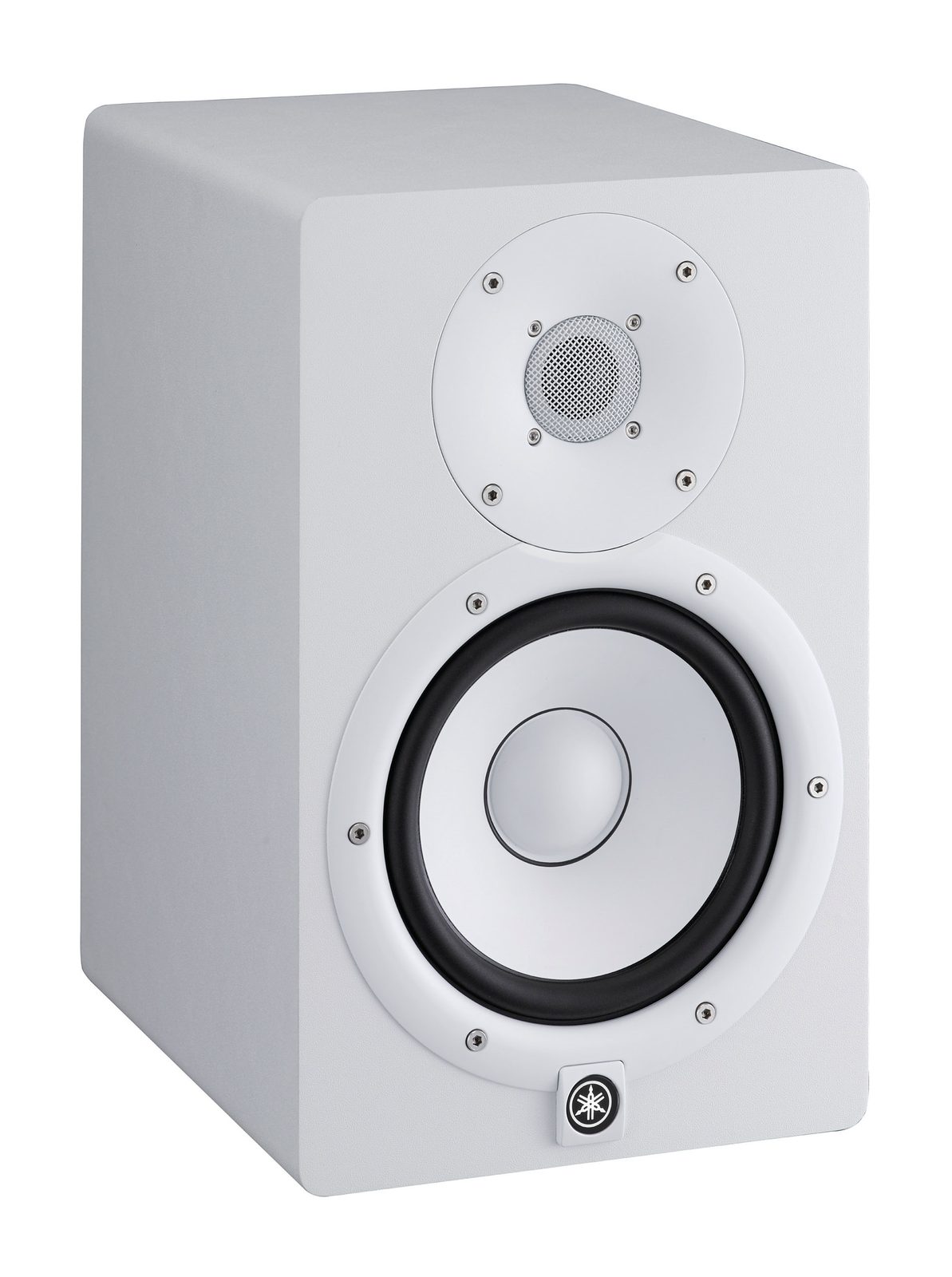
When you unbox a pair of HS7s, you aren't buying a lifestyle product. You’re buying a tool that has been the backbone of home studios for years because it refuses to lie to you. The build quality is utilitarian and solid, featuring that iconic white cone that has become a shorthand for "serious work" in the industry. As Streaky noted in his review, "It's kind of doing what NS10s does, focusing on the important frequencies in the mid-range so you can work on that detail."
Living with these daily, you quickly realize they don't have the "polite" sound signature of some modern competitors. They are surgical. If your vocal levels are inconsistent or your snare has a harsh resonance, the HS7s will put it front and center. This is exactly why they are so effective for mixing; they force you to fix the problems rather than masking them.
However, don't expect a plug-and-play experience that works in any room. Because they are rear-ported, you need to respect the physics of your space. If you shove these against a wall, you’ll get a muddy, boomy low-end that ruins the very accuracy you bought them for. You need stands, you need room to breathe, and you need to accept that these are a "no-frills" experience. As Digital DJ Tips pointed out, "They are pretty much a standard powered monitor in that they haven't got some of the bells and whistles," meaning you won't find RCA inputs or fancy DSP room correction here. It’s just pure, balanced signal path.
Sound — what reviewers actually heard
The HS7s occupy a unique middle ground. They aren't as physically imposing as the 8-inch HS8s, but they offer a tighter, more focused mid-range that many engineers actually prefer.
| Metric | Value | Context |
|---|---|---|
| Woofer Size | 6.5 inches | The sweet spot for mid-range detail |
| Power Output | 95 Watts | Plenty of headroom for nearfield use |
| Frequency Response | 44 Hz - 35 kHz | Needs a sub for true sub-bass work |
| Crossover | ~2 kHz | Smooth transition for vocal clarity |
Where it actually wins
The HS7’s greatest strength is its translation. Because the mid-range is so articulate, mixes that sound balanced on these speakers tend to sound balanced everywhere else—from car stereos to earbuds. If you spend your time mixing vocals, acoustic instruments, or rock, the HS7s are a godsend. They provide a level of depth and stereo imaging that is frankly embarrassing for other monitors at this price point.
The high-end is another point of contention, but in practice, it’s a massive asset. While some find it bright, Edward Smith hits the nail on the head: "The brightness of the HS7s that really helps with mixing vocals and just songs in general is definitely a bonus." That extra bit of sizzle helps you identify sibilance and harshness in the 5kHz to 8kHz range that you might miss on darker-sounding monitors.
Where it falls short
The elephant in the room is the low-end. While the 6.5-inch woofer is capable, it rolls off well before the sub-bass frequencies that define modern EDM or Trap. If you’re producing bass-heavy music, you will be guessing at your low-end, and you will get it wrong. You either need to learn the "translation" of these speakers over months of use or, more realistically, invest in a matching subwoofer.
The lack of connectivity is also a frustration for the modern producer. If you’re looking to plug in a turntable or a consumer-grade DAC via RCA, you’re out of luck. You’ll need to invest in balanced cables and a proper audio interface to get these running. It’s a professional-first design, which is great for the studio, but it makes them a poor choice for a casual living room setup.
Should you buy it?
Buy if you
- Prioritize mix translation and mid-range accuracy above all else.
- Are mixing vocals, acoustic music, or rock where mid-range detail is king.
- Have the desk space to pull them away from the wall to let the rear port breathe.
Skip if you
- Produce bass-heavy genres like EDM or Hip-Hop and refuse to buy a subwoofer.
- Need a "fun" speaker for casual listening or gaming.
- Are working in a tiny bedroom setup where the speakers must be flush against the wall.
The Yamaha HS7s deliver incredibly accurate, NS10-style mid-range clarity that forces you to work for a good mix, making them a staple for serious home studios.
Sources consulted
- Digital DJ Tips — Yamaha HS7 Powered Studio Monitors
- Streaky — NEED CHEAP STUDIO MONITORS ? - YAMAHA HS7 SPEAKER REVIEW | Streaky.com
- Edward Smith — Which Studio Monitors Should You Buy? | Yamaha HS7 vs. Adam Audio T7V
- Tyler Ray Hughes — Discover What Makes Yamaha HS8 Monitors the 'BEST'!
Synthesis combines independent reviews above. Verdicts and quotes attributed to original creators. Affiliate disclosure: we may earn a commission from qualifying purchases via Amazon links.
Products covered in this review
Frequently Asked Questions
Is the Yamaha HS7 worth buying?
They offer a flat, uncolored sound that translates perfectly to other systems, excelling in mid-range detail and vocal mixing. However, their 6.5-inch woofers and rear-ported design mean bass-heavy producers will likely need to pair them with a subwoofer and keep them away from walls.
Who is the Yamaha HS7 best for?
Producers, vocal engineers, and home studio owners who prioritize mix accuracy and mid-range detail over hyped bass.
Who should skip it?
Bass-heavy EDM or hip-hop producers working in tight spaces where speakers must be placed directly against a wall.