 HiFiRated
Topping L30 II Review — A spec-sheet monster that dominates efficient gear but reveals its limitations when pushed by heavy loads
TL;DR
The L30 II offers incredibly low noise floors and pristine measurements, making it a perfect match for sensitive IEMs and standard dynamic headphones. However, despite impressive on-paper wattage, reviewers agree it lacks the bass impact and control required to properly drive pow
Verdict: Depends on Use Case
What people are saying
Sources disclosed below
Reviewer Verdicts
Avg of 4 video reviews
DMS, Joshua Valour, iiWi Reviews…
Pros
- +Extremely low noise floor, making it perfect for sensitive IEMs
- +Exceptionally clean, neutral, and resolving sound signature
- +Excellent performance as a dedicated, quiet pre-amp
- +Mark II version significantly improves dynamics and fullness over the original
- +Smooth volume potentiometer and convenient physical toggle switches
Cons
- −Lacks bass impact and control for demanding planar magnetic headphones
- −Struggles to drive 600-ohm dynamic headphones to their maximum potential
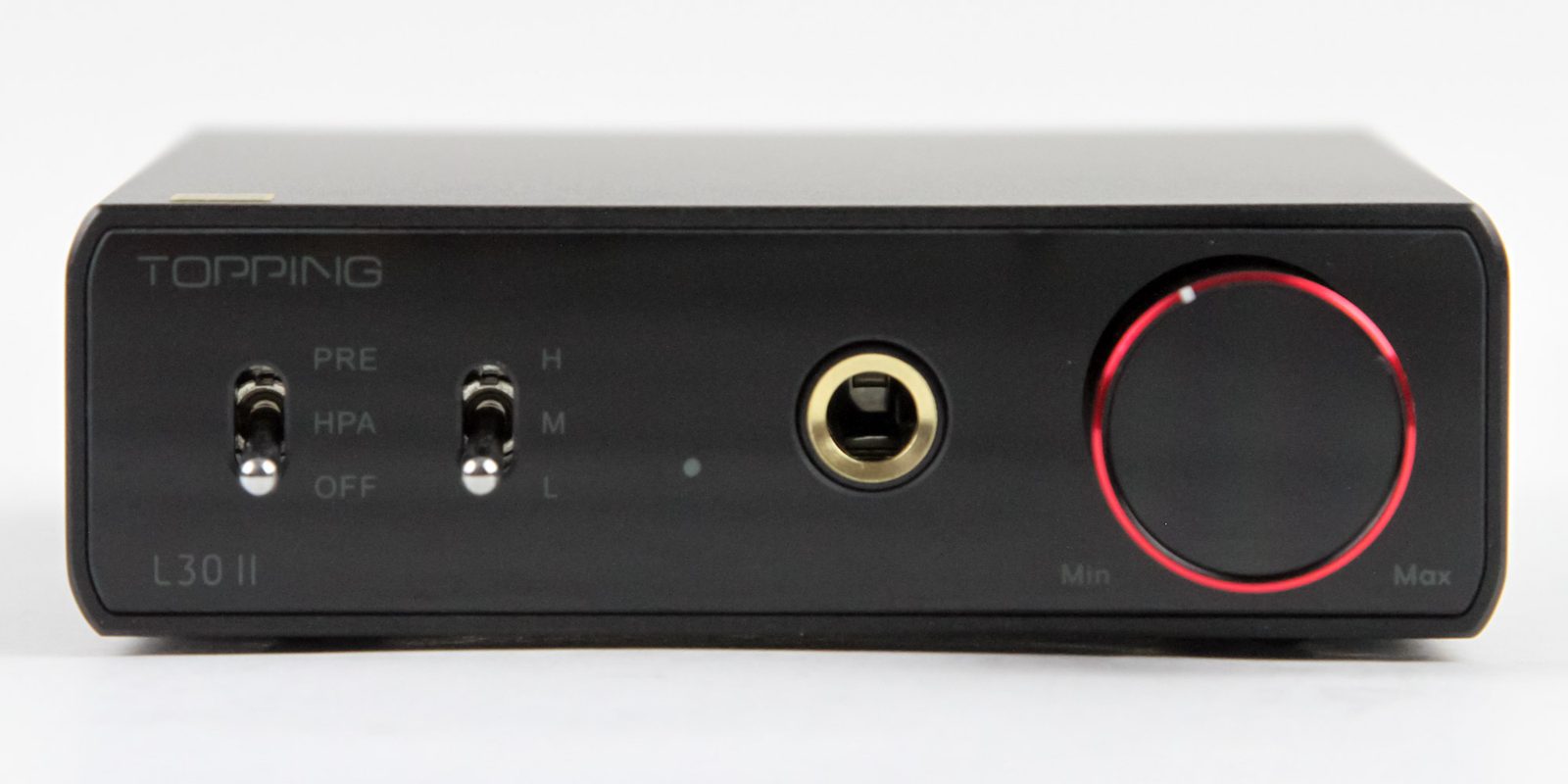
- −Glossy front panel is a fingerprint magnet that reviewers dislike
- −Original L30 units had severe safety issues with shorting and blowing up (fixed in Mark II)
Jordan Kim
Published May 2, 2026
$119–$139
Price may vary. Updated regularly.
Topping’s budget amp boasts world-class measurements, but reviewers warn it lacks the muscle for demanding planars. If you’re chasing the "wire with gain" philosophy on a budget, this is the device that makes you wonder why anyone spends four figures on amplification.
What you're actually getting
The Topping L30 II is a masterclass in engineering for the price. After spending time with it, the first thing you notice is the silence. If you are an IEM user, this is likely the end of your search. The noise floor is effectively non-existent, allowing you to hear the micro-details in your music without the hiss that plagues cheaper gear. As DMS put it, "This is an extremely clean amplifier." It’s surgical, neutral, and presents your music exactly as it was recorded, without adding any "flavor" or warmth to the signal.
The Mark II iteration is a significant step up from the original. It’s not just a minor refresh; the dynamics and fullness are noticeably improved. While the original L30 was plagued by infamous safety concerns—specifically regarding shorting—Topping has rectified those issues here. You get a unit that feels like a serious piece of desktop kit, featuring a smooth volume potentiometer and satisfying physical toggle switches that feel far more tactile than the digital buttons found on many competitors.
However, don't let the 3.5-watt power rating fool you into thinking this is a universal solution. While it handles standard dynamic headphones with ease, it hits a wall when paired with power-hungry planar magnetics. You might get enough volume, but you won't get the grip or the authoritative bass slam that a more robust, current-heavy amplifier provides. It’s a precision instrument, not a sledgehammer.
Performance — what reviewers actually measured
| Metric | Value | Context |
|---|---|---|
| Power (16 ohms) | 3.5 watts | Plenty for efficient gear |
| Power (32 ohms) | 2.8 watts | Solid for dynamic drivers |
| THD | 0.00007% | Near-perfect transparency |
| Dynamic Range | 141 dB | Extremely wide headroom |
Where it actually wins
The L30 II wins by being the ultimate "set it and forget it" device for the vast majority of listeners. If your daily driver is a pair of high-sensitivity IEMs or standard dynamic headphones like a Sennheiser HD600 series, you are getting performance that rivals gear costing three times as much. The transparency is genuinely startling; it doesn't color the sound, which makes it an excellent tool for critical listening or mixing on a budget.
It also doubles as a fantastic pre-amp. If you have a pair of powered monitors on your desk, the L30 II provides a clean, quiet volume control that outperforms many integrated solutions. As Tharbamar noted, it’s a "really good pre-amp for little money, quieter than this Denon." For a desktop setup where space is at a premium and you want a clean signal path, it’s hard to beat.
Where it falls short
The biggest issue is the physical design. The glossy front panel is a fingerprint magnet that looks cheap the moment you touch it. Joshua Valour was blunt about this, stating, "Please get away from the gloss, nobody likes it." It’s a strange aesthetic choice for a device that otherwise feels like a serious piece of audio equipment.
Beyond the cosmetics, the L30 II struggles with the "heavy lifting." If you own demanding planar magnetic headphones, you’ll notice a lack of bass impact and control. The amp sounds thin when pushed, failing to provide the punchy, tight low-end response that planar drivers crave. Additionally, while it can drive 600-ohm headphones, it doesn't do so with the authority or headroom required to really make them shine. If you are looking for a warm, lush, or "musical" sound signature, you won't find it here. This amp is cold, clinical, and honest—which is exactly what some people hate.
Should you buy it?
Buy if you:
- Use sensitive IEMs and need a dead-silent noise floor.
- Own efficient dynamic headphones and value transparency above all else.
- Need a compact, high-quality pre-amp for your desktop monitor setup.
- Want the best objective measurements for under $150.
Skip if you:
- Own power-hungry planar magnetic headphones that require high current.
- Prefer a warm, colored, or "fun" sound signature.
- Hate fingerprints and glossy finishes on your gear.
- Need to drive high-impedance headphones to their absolute limit.
An ultra-clean, spec-chasing budget amp that shines with IEMs but lacks the brute force for demanding planars.
Sources consulted
- DMS — Topping L30 - REVIEW [Is this an ATOM Killer?]
- Joshua Valour — Topping L30 Review
- iiWi Reviews — Topping E30 II DAC and L30 II Head Amp - New Budget References
- Tharbamar — Topping E30 II DAC with L30 II Pre/Headphone Amp Review
Synthesis combines independent reviews above. Verdicts and quotes attributed to original creators. Affiliate disclosure: we may earn a commission from qualifying purchases via Amazon links.
Products covered in this review
Frequently Asked Questions
Is the Topping L30 II worth buying?
The L30 II offers incredibly low noise floors and pristine measurements, making it a perfect match for sensitive IEMs and standard dynamic headphones. However, despite impressive on-paper wattage, reviewers agree it lacks the bass impact and control required to properly drive power-hungry planar magnetic headphones.
Who is the Topping L30 II best for?
IEM users and owners of efficient dynamic headphones looking for a dead-silent, neutral desktop amplifier or pre-amp.
Who should skip it?
Owners of demanding planar magnetic headphones or those who prefer a warm, heavily colored sound signature.