 HiFiRated
Sony MDR-7506 Review — A legendary, decades-old studio workhorse continues to dominate the budget professional space despite glaring modern flaws and a highly polarizing sound signature
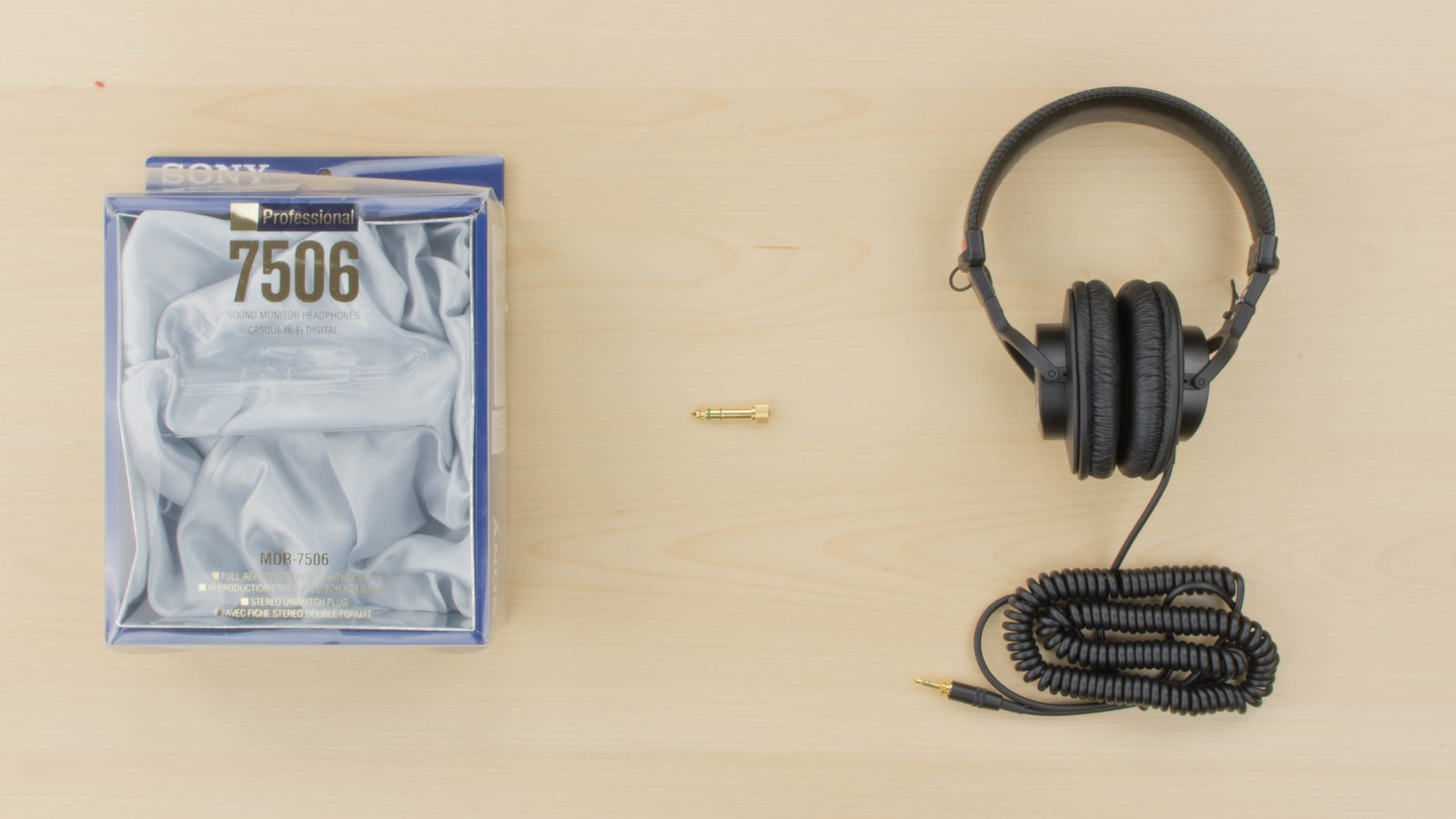
TL;DR
At under $100, these headphones offer unmatched utility for audio professionals who need to dissect a mix or track vocals. However, the non-detachable coiled cable, exposed wires, and fatiguing treble clearly show their 30-year-old age. If you need a reliable analytical tool for
Verdict: Depends on Use Case
What people are saying
Sources disclosed below
Reviewer Verdicts
Avg of 4 video reviews
Audio Advisor, Z Reviews, Sanjay C…
Reddit Discussion
Across 74 threads in r/audiophile, r/headphones, r/HeadphoneAdvice
Sentiment summary, not a rating
Pros
- +Affordable price point under $100
- +Highly durable and reliable over years of use
- +Foldable and portable design
- +Easy to drive without a dedicated amplifier
- +Excellent for tracking vocals and identifying flaws in a mix
Cons
- −Non-detachable, heavy coiled cable is cumbersome
- −Exposed wires on the ear cups are a snag hazard
- −Stock ear pads feel cheap, thin, and get warm over time
- −High frequencies can be piercing, harsh, and sibilant
Jordan Kim
Published May 2, 2026
$89–$109
Price may vary. Updated regularly.
Sony's 30-year-old studio headphones are still the industry's favorite "duct tape," but do they actually sound good? You’ve seen them in every professional recording booth from Nashville to Tokyo, usually held together by prayer and gaffer tape, but that ubiquity doesn't necessarily mean they’re the right choice for your desk.
What you're actually getting
If you buy the Sony MDR-7506, you aren't buying a luxury listening experience; you’re buying a surgical instrument. These headphones have been around since the early 90s, and they feel like it. They are the definition of a "workhorse"—they don't care about your comfort or your aesthetic preferences. They exist to tell you exactly what is wrong with your audio. As Sanjay C put it, "They're kind of like the studio version of duct tape. Use it everywhere."
After using these for extended sessions, the reality of the design hits you hard. The build is utilitarian to a fault. You get a massive, non-detachable coiled cable that feels like it belongs on a landline phone from 1995, and the exposed wires running into the earcups are a constant anxiety-inducing snag hazard. If you’re looking for something to wear while lounging on the couch, look elsewhere. The stock pads are thin, get warm within an hour, and offer zero isolation from the outside world.
The sound signature is where the debate gets heated. You’ll find reviewers like Z Reviews calling them "little baby bass cannons," while others like askdrtk insist they are mid-forward with almost no low-end presence. My take? They are ruthlessly analytical. They don't color the sound to make it "fun." If your mix has a harsh sibilance or a muddy transition, these headphones will highlight it like a spotlight. As askdrtk noted, "If you want to hear what's wrong in a mix, these will help you do that." They aren't meant to make your music sound pretty; they’re meant to make your work sound accurate.
Performance — what reviewers actually measured
| Metric | Value | Context |
|---|---|---|
| Price | $85 - $100 | Budget-friendly professional gear |
| Impedance | 63 ohms | Easy to drive without an amp |
| Sensitivity | 106 mW | High volume output from laptops |
| Cable | 1.2m (coiled) | Heavy, cumbersome, non-detachable |
| High-end | Sharp drop > 10kHz | Can sound piercing and sibilant |
Where it actually wins
The MDR-7506 wins on pure, unadulterated reliability. In a world where modern headphones are packed with fragile Bluetooth chips, touch-sensitive controls, and batteries that die after two years, these are refreshingly simple. They are virtually indestructible. If you drop them, they bounce. If you step on them, they bend. They are the "Toyota Corolla" of the audio world—they just keep working.
They also win on utility for creators. Because they are so easy to drive, you don't need a fancy external DAC or amplifier to get them to loud, clear levels. Plug them into your laptop or your audio interface, and you’re ready to track vocals or edit a podcast. They provide that "studio sound" that allows you to hear the flaws in your recordings, which is exactly what you need when you're trying to clean up a messy audio track.
Where it falls short
The biggest failure here is the ergonomics. Sony has refused to update the design, and it shows. The stock ear pads are essentially synthetic leather over thin foam; they become a sweat trap within 45 minutes of use. Replacing them is almost mandatory if you plan on wearing these for more than a quick check of a mix.
Then there’s the treble. If you are sensitive to high frequencies, these will fatigue your ears in record time. The "piercing" quality that makes them good for spotting audio errors makes them genuinely unpleasant for long-term music listening. When you combine that with the heavy, dangling coiled cable that constantly pulls on your head, you realize why these are strictly "tools" rather than "pleasure devices." They are a relic, and in some ways, they feel like one.
Should you buy it?
Buy if you:
- Are a podcaster, YouTuber, or audio editor who needs to hear every click, pop, and hiss in your recordings.
- Need a pair of "beater" headphones that can survive being thrown into a backpack daily.
- Want a professional-grade tool that doesn't require a dedicated amplifier to sound loud and clear.
Skip if you:
- Are looking for a "fun" or "warm" sound signature for casual music listening.
- Value comfort and long-term wearability above all else.
- Hate non-detachable, heavy cables that get tangled on your desk accessories.
The Sony MDR-7506 remains an indestructible studio workhorse for tracking and mixing, but its piercing highs and outdated design make it a tough sell for casual listening.
Sources consulted
- Audio Advisor — Sony MDR-7506 Review: This is why these are still used after 30 years...
- Z Reviews — Z-Review - Sony MDR-7506
- Sanjay C — Did SONY beat Beyerdynamic and Sennheiser?!
- askdrtk — Sony MDR 7506 Studio Headphone Review - Does the Studio Standard live up to the Hype?
Synthesis combines independent reviews above. Verdicts and quotes attributed to original creators. Affiliate disclosure: we may earn a commission from qualifying purchases via Amazon links.
Products covered in this review
Frequently Asked Questions
Is the Sony MDR-7506 worth buying?
At under $100, these headphones offer unmatched utility for audio professionals who need to dissect a mix or track vocals. However, the non-detachable coiled cable, exposed wires, and fatiguing treble clearly show their 30-year-old age. If you need a reliable analytical tool for audio work, they are a must-buy; for everyday music enjoyment, look elsewhere.
Who is the Sony MDR-7506 best for?
Audio engineers, podcasters, and budget-conscious creators needing a durable, analytical tool for tracking and mixing.
Who should skip it?
Casual listeners, commuters, and audiophiles looking for a warm, relaxing sound signature or modern features like detachable cables.