 HiFiRated
Shure SRH840A Review — A legacy studio brand attempts to update a classic monitor, resulting in an identity crisis: it fails as a flat reference tool but succeeds as a highly entertaining daily driver
TL;DR
Reviewers are torn on the SRH840A's identity. While marketed as a professional studio monitor, its heavily V-shaped sound signature makes it too colored for surgical mixing. However, its lightweight comfort, excellent isolation, and punchy sound make it a fantastic choice for pod
Verdict: Depends on Use Case
What people are saying
Sources disclosed below
Reviewer Verdicts
Avg of 4 video reviews
The Headphone Show, Ryan Ho, askdrtk…
Reddit Discussion
Across 41 threads in r/audiophile, r/headphones, r/HeadphoneAdvice
Sentiment summary, not a rating
Pros
- +Lightweight design that remains comfortable during long listening sessions
- +Strong, extended sub-bass response that is punchy and enjoyable
- +Good closed-back noise isolation for tracking and noisy environments
- +Easy to drive without needing a dedicated headphone amplifier
- +Aesthetic improvements over the previous generation, featuring a sleeker headband
Cons
- −All-plastic construction feels somewhat cheap and lacks a premium feel
- −V-shaped sound signature is noticeably colored rather than flat
- −Not ideal for critical studio mixing or mastering due to frequency inaccuracies
Jordan Kim
Published May 2, 2026
$149–$179
Price may vary. Updated regularly.
Shure built a "professional studio monitor" that accidentally turned out to be an incredibly fun, bass-heavy headphone. If you’re looking for a surgical tool to mix your next record, you might want to look elsewhere, but if you’re looking for a pair of cans that make your daily playlist sound like a private concert, keep reading.
What you're actually getting
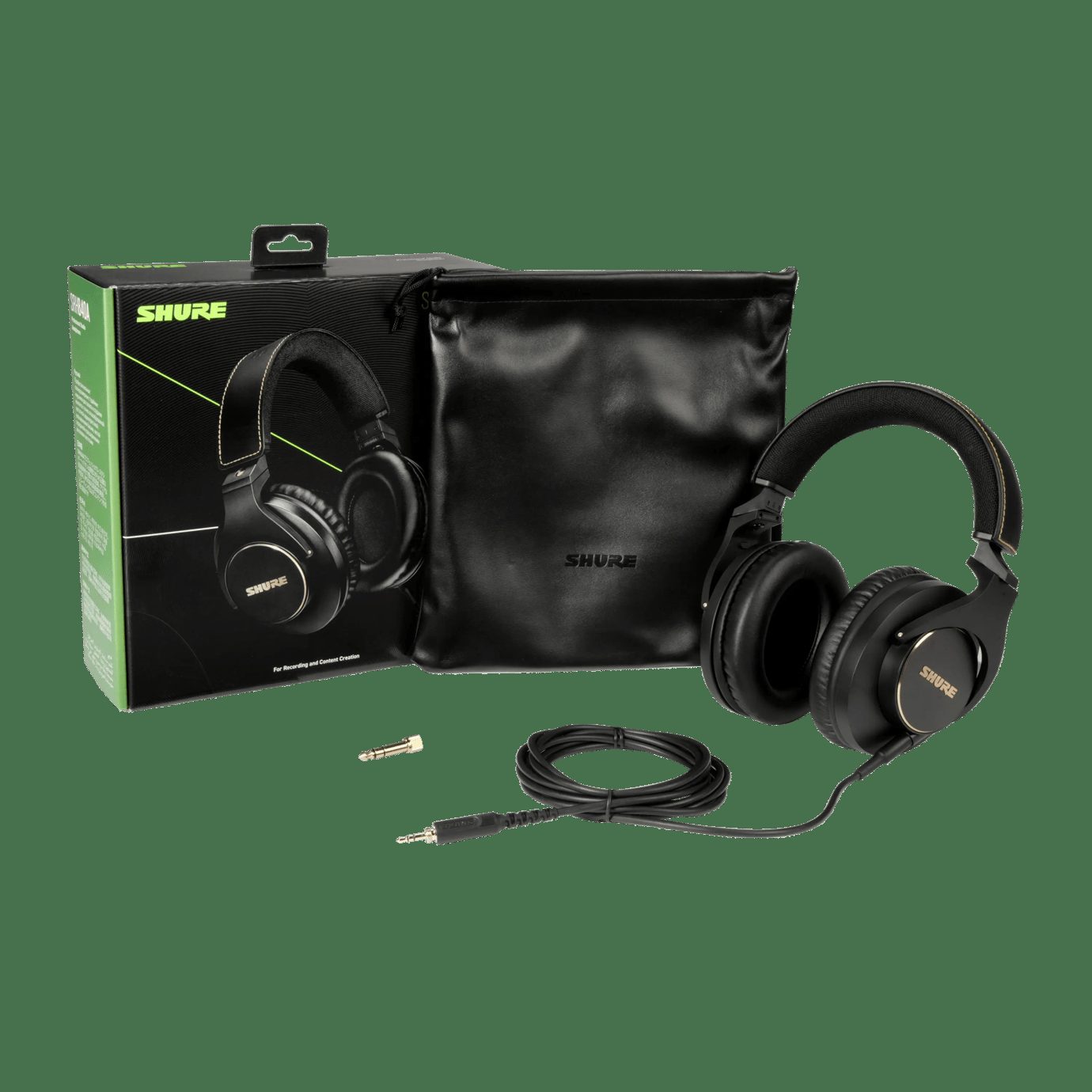
When you pull the SRH840A out of the box, you’ll notice the aesthetic shift immediately. Shure ditched the clunky, industrial look of the original 840s for a sleeker, more modern headband design. It’s undeniably more comfortable for long sessions, and at this price point, the weight distribution is excellent. You can wear these for three or four hours straight without feeling that dreaded "headphone fatigue" that usually sets in with heavier, clamp-heavy studio gear.
However, the "professional" label Shure slaps on these is where the confusion starts. As The Headphone Show aptly put it, "The result is something that is fun... but also confusing for something marketed as a professional headphone." You aren't getting a flat, neutral response here. Instead, you’re getting a V-shaped sound signature that pushes the sub-bass and adds a bit of sparkle in the treble. It’s a blast for listening to electronic music or podcasts, but it’s not telling you the truth about your audio.
The build quality is another point of contention. While Happy Mag calls them "rock solid," I find the all-plastic construction feels a bit hollow. There’s a specific quirk with the hinges—they rotate a bit too freely for my liking—and the headband adjustments have a tendency to slip if you aren't careful. It’s not going to fall apart in a week, but it lacks that "heirloom" durability you might expect from a brand with Shure’s pedigree.
Performance — what reviewers actually measured
Don't let the "studio" branding fool you into thinking you need a dedicated amplifier. These are designed to be driven by your laptop, phone, or audio interface without breaking a sweat.
| Metric | Value | Context |
|---|---|---|
| Impedance | 40 ohms | Easy to drive with any standard device |
| Treble Peak | ~10 kHz | Adds "air" but can be fatiguing |
| Price | $150 | Competitive for the consumer-prosumer tier |
- Isolation: The closed-back design is genuinely impressive. If you’re tracking vocals or working in a noisy office, these do a great job of keeping your audio in and the world out.
- The Cable Debate: Shure uses a twist-lock mechanism. Happy Mag loves that it prevents accidental disconnects, but The Headphone Show makes a fair point: if you snag that cable, the headphones are coming off your head with it.
Where it actually wins
The SRH840A shines brightest when you stop treating it like a piece of lab equipment and start using it for what it’s actually good at: enjoyment. The sub-bass extension is genuinely punchy. It’s not muddy or bloated; it’s tight and energetic, which makes them a fantastic choice for content creators who want their voiceovers to sound rich and full.
Because they are so easy to drive, they are the ultimate "plug-and-play" companion for a remote worker. You don't need to clutter your desk with a DAC or an amp. Just plug them into your interface or your laptop’s headphone jack, and you’re ready to go. For podcasters or streamers who need a reliable, closed-back set of cans that won't bleed audio into their microphone, these are a top-tier contender.
Where it falls short
If you are a producer or an engineer, the SRH840A is likely to frustrate you. The frequency response is simply too colored. As askdrtk noted, "I wouldn't recommend them necessarily for a musician because they don't have the most natural or accurate frequency response." When you’re trying to balance a mix, you need to know exactly what’s happening in the mids and the low-mids. The V-shaped tuning of these headphones scoops out those frequencies, which can lead to some very bad decisions when you’re EQing a track.
Furthermore, the build quality feels like a step backward in terms of tactile satisfaction. The plastic feels cheap, and the loose hinges make the headphones feel less like a precision instrument and more like a mass-produced consumer accessory. If you’re looking for that "pro" feel, the materials here just don't match the price tag.
Should you buy it?
Buy if you
- Are a podcaster or content creator who needs great isolation and a "fun" sound.
- Want a comfortable, lightweight pair of headphones for 4+ hour listening sessions.
- Need something that sounds great straight out of a laptop or phone without an external amp.
Skip if you
- Are a professional mixing or mastering engineer who requires a flat, neutral frequency response.
- Prefer premium materials like metal or high-grade leather over all-plastic builds.
- Are looking for a "reference" headphone to hear exactly what the artist intended without color.
The Shure SRH840A is a highly enjoyable, bass-forward headphone that excels at casual listening and content creation, but its V-shaped tuning disqualifies it for critical studio mixing.
Sources consulted
- The Headphone Show — Shure made a headphone for bassheads?? SRH-440A & SRH840A - Review
- Ryan Ho — The BEST Studio Headphone - Shure SRH840A Review (vs SRH440 & SRH1440)
- askdrtk — Shure SRH840A - Detailed Headphone Review & Audio Tests
- Happy Mag — Shure: SRH440A and SRH840A Headphones | Full Demo and Review
Synthesis combines independent reviews above. Verdicts and quotes attributed to original creators. Affiliate disclosure: we may earn a commission from qualifying purchases via Amazon links.
Products covered in this review
Frequently Asked Questions
Is the Shure SRH840A worth buying?
Reviewers are torn on the SRH840A's identity. While marketed as a professional studio monitor, its heavily V-shaped sound signature makes it too colored for surgical mixing. However, its lightweight comfort, excellent isolation, and punchy sound make it a fantastic choice for podcasters, tracking, or bass-loving audiophiles.
Who is the Shure SRH840A best for?
Podcasters, content creators, vocalists needing tracking headphones, and casual listeners who love a fun, punchy, bass-forward sound.
Who should skip it?
Audio engineers, producers, and musicians who need a perfectly flat, neutral reference headphone for critical mixing and mastering.