 HiFiRated
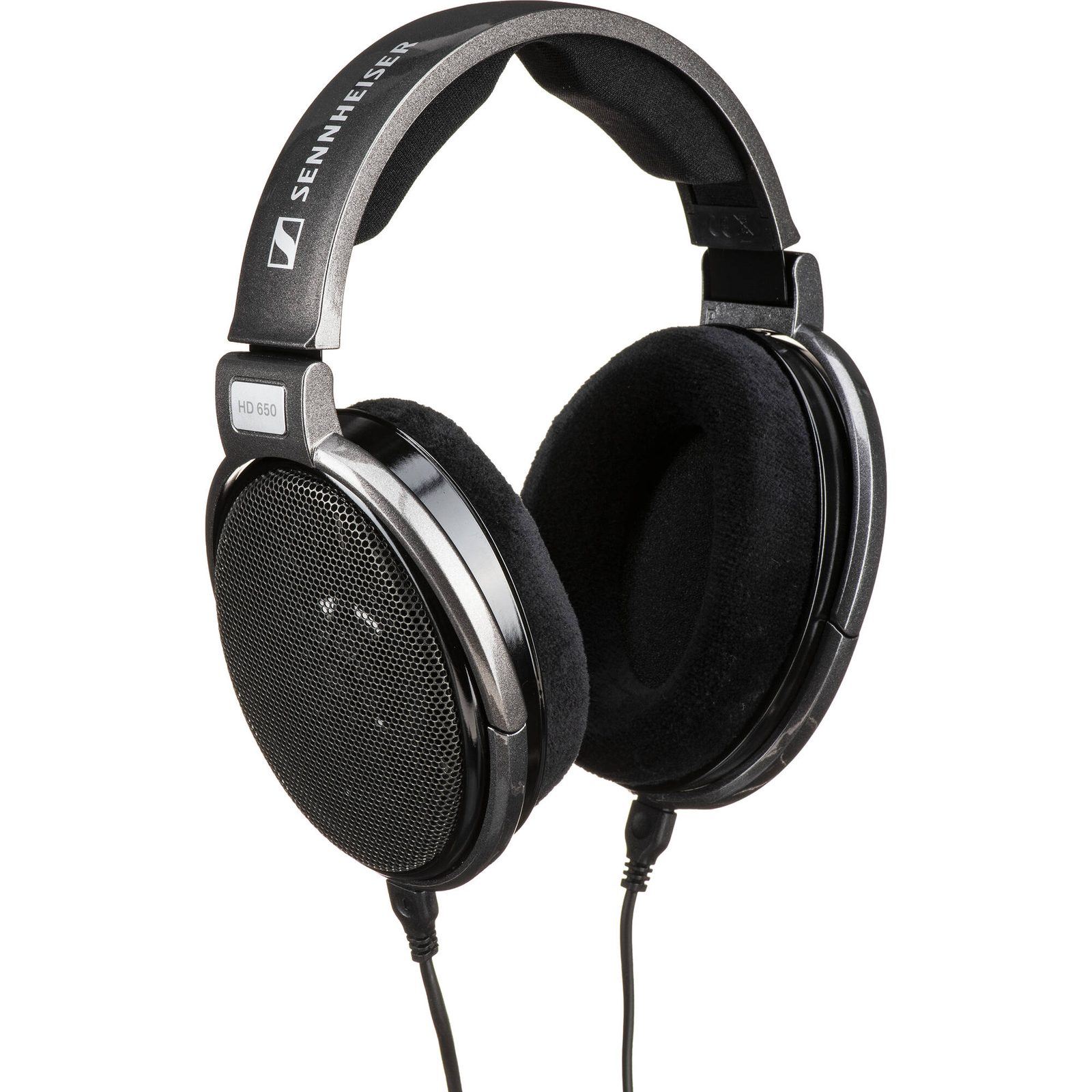
Sennheiser HD 650 Review — An aging classic proves that perfect mid-range tuning and durable design never go out of style
TL;DR
Two decades after its release, the HD 650 still sets the benchmark for vocal and instrumental realism. However, its steep 300-ohm impedance demands dedicated amplification, and modern bass-heads will be disappointed by the early sub-bass roll-off. If you want a warm, relaxed, and
Verdict: Buy
What people are saying
Sources disclosed below
Reviewer Verdicts
Avg of 4 video reviews
The Headphone Show, The Headphone Show, Prime Audio Reviews…
Reddit Discussion
Across 75 threads in r/audiophile, r/headphones, r/HeadphoneAdvice
Sentiment summary, not a rating
Pros
- +Class-leading, exceptionally natural mid-range reproduction
- +Warm, relaxed, and fatigue-free sound signature
- +Extremely lightweight at 260g for all-day comfort
- +Highly durable and reliable construction despite being mostly plastic
Cons
- −High 300-ohm impedance requires a dedicated amplifier
- −Sub-bass rolls off early and lacks modern depth and extension
- −Strong clamping force out of the box requires a break-in period
- −Velour ear pads wear out quickly and require regular replacement
Jordan Kim
Published May 2, 2026
$349–$399
Price may vary. Updated regularly.
Nearly two decades after its release, this plastic headphone still embarrasses modern flagships with its ridiculously realistic sound. While the rest of the audio industry chases the next big gimmick in driver materials or wireless connectivity, the Sennheiser HD 650 sits quietly on your desk, proving that perfect mid-range tuning never goes out of style.
What you're actually getting
When you pull the HD 650 out of the box, you might feel a flicker of disappointment. It’s mostly plastic, it feels light, and it looks like something you’d find in a 2005 recording studio. But the moment you put them on, that skepticism vanishes. These aren't designed to be a fashion statement; they are a precision tool for people who actually care about how music sounds.
After living with these for a long time, the most striking thing is the "fatigue-free" nature of the sound. You can wear these for an eight-hour workday and never feel the urge to rip them off your head. As The Headphone Show put it, "I can only describe the mid-range on these as ridiculously realistic and exceptionally natural in its timbre." It’s a warm, inviting sound that makes vocals feel like they’re being sung directly into your ear, rather than processed through a digital filter.
However, don't mistake "classic" for "easy to use." This is a 300-ohm beast that will sound thin and lifeless if you plug it directly into your laptop’s headphone jack. Prime Audio Reviews nailed the analogy: "Like a luxury sports car, it needs a bit more fuel to get going, but once it's up and running it performs at a high level." You need a dedicated amplifier to unlock the potential here. If you aren't willing to invest in a decent DAC/Amp combo, you’re essentially buying a Ferrari and trying to run it on lawnmower gas.
Performance — what reviewers actually measured
| Metric | Value | Context |
|---|---|---|
| Impedance | 300 ohms | Requires dedicated amplification |
| Weight | 260 grams | Exceptionally light for all-day wear |
| Sensitivity | 103 dB/mW | Needs power to reach volume |
| Driver | 42mm Dynamic | Proven, reliable tech |
Where it actually wins
The primary victory of the HD 650 is its mid-range reproduction. If you listen to acoustic music, jazz, or vocal-heavy tracks, there is simply nothing in this price bracket that touches it. The timbre is so accurate that it makes many modern, "V-shaped" headphones sound like toys.
Second, the comfort is unmatched. At 260 grams, it disappears on your head. The clamping force is notoriously tight when the unit is brand new, but once you break them in—or gently stretch the headband—they become the most comfortable pair of headphones you’ll own. They are built to last, too. Because the design is modular, if a cable breaks or the ear pads get crusty after a year of heavy use, you can replace every single part yourself without needing a degree in engineering.
Where it falls short
The HD 650 is not a perfect headphone, and it’s important to be honest about its limitations. If you are a bass-head, look elsewhere. The sub-bass rolls off early, meaning you won't get that chest-thumping, visceral rumble found in modern planar magnetic headphones. It’s a polite bass, not a powerful one.
Then there is the soundstage debate. While some reviewers find it expansive, others, like Christian Svedin, argue it feels a bit like a "wall of sound." If you’re looking for a wide, cinematic experience where you can pinpoint every instrument in a massive orchestra, you might find the HD 650 a bit claustrophobic. It’s an intimate, "in your head" experience rather than a wide-open concert hall. Finally, the velour ear pads are comfortable, but they are dust magnets and will lose their plushness within 12 to 18 months of daily use. Budget for replacements.
Should you buy it?
Buy if you
- Prioritize vocal clarity and natural instrumental timbre above all else.
- Spend hours at your desk and need headphones that won't cause ear fatigue.
- Already own or are willing to buy a dedicated headphone amplifier.
- Value a product that can be repaired and maintained for years.
Skip if you
- Are a bass-head who needs deep, sub-bass extension for electronic music.
- Want a "plug-and-play" solution for your phone or standard laptop.
- Need a massive, wide soundstage for competitive gaming or orchestral scores.
The Sennheiser HD 650 remains an undisputed legend for its breathtakingly natural mid-range, provided you have the amplifier to drive it.
Sources consulted
- The Headphone Show — Sennheiser HD 600 series tier list and comparison
- The Headphone Show — Sennheiser HD650 and HD600 Review - Revisiting Classic Headphones in 2020
- Prime Audio Reviews — Sennheiser HD650 Review
- Christian Svedin — HD 600 vs HD 650 – Are they still relevant in 2025!!?
Synthesis combines independent reviews above. Verdicts and quotes attributed to original creators. Affiliate disclosure: we may earn a commission from qualifying purchases via Amazon links.
Products covered in this review
Frequently Asked Questions
Is the Sennheiser HD 650 worth buying?
Two decades after its release, the HD 650 still sets the benchmark for vocal and instrumental realism. However, its steep 300-ohm impedance demands dedicated amplification, and modern bass-heads will be disappointed by the early sub-bass roll-off. If you want a warm, relaxed, and highly durable reference headphone, this is a timeless investment.
Who is the Sennheiser HD 650 best for?
Audiophiles, vocal lovers, and desk-bound listeners looking for a warm, natural, and fatigue-free listening experience.
Who should skip it?
Bass-heads, mobile users without dedicated amplification, and competitive gamers needing massive soundstages.