 HiFiRated
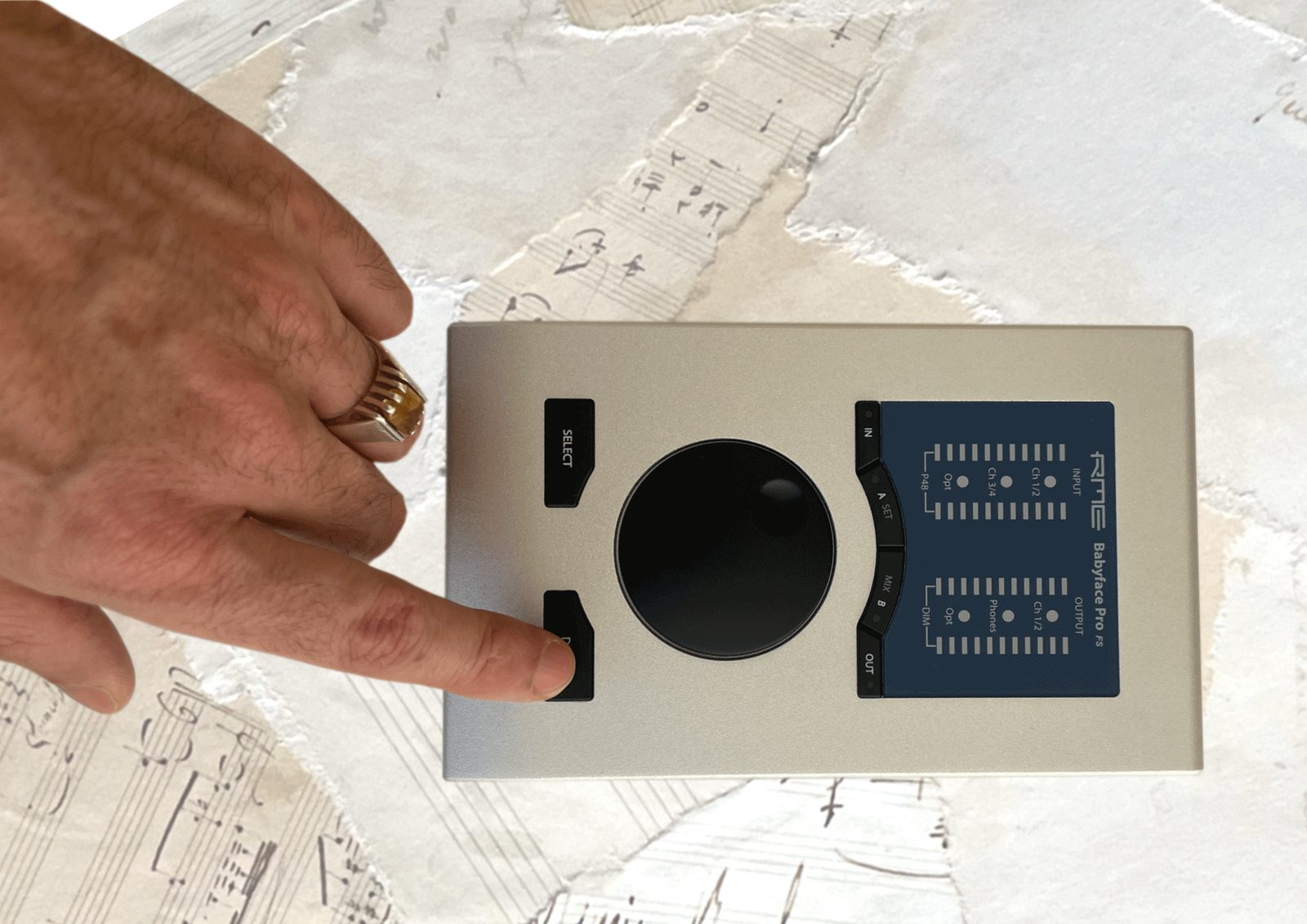
RME Babyface Pro FS Review — A premium, industrial-grade tool that prioritizes rock-solid reliability and transparent performance over flashy modern aesthetics
TL;DR
While it lacks conveniences like independent headphone busses or an included iOS power supply, its rock-solid aluminum build and pristine transparent converters make it a long-term investment. The incredibly powerful TotalMix FX software and unmatched driver stability ensure it p
Verdict: Buy
What people are saying
Sources disclosed below
Reviewer Verdicts
Avg of 4 video reviews
Julian Krause, SpectreSoundStudios, Audio Toolshed…
Pros
- +Exceptional build quality featuring a solid machined aluminum chassis
- +TotalMix FX software provides incredibly flexible zero-latency routing, DSP, and loopback
- +Pristine, transparent audio quality with high dynamic range and neutral converters
- +Highly portable design that includes a rugged hard-shell carrying case
- +Excellent I/O for its size, including ADAT expandability for up to 12 inputs/outputs
- +Dual headphone outputs optimized for both high and low impedance headphones
Cons
- −The two headphone outputs share the same mix bus and cannot be controlled independently
- −The side instrument/line inputs are unbalanced only
- −Requires external power for iOS use, but the DC power supply is not included in the box
- −The TotalMix companion app for iPad/iOS requires an additional paid purchase
Jordan Kim
Published May 3, 2026
RME's portable powerhouse is built like a tank, but its real superpower is the zero-latency routing. If you’ve spent years fighting driver crashes or latency spikes in the middle of a tracking session, you’ll quickly realize that this interface isn't just a piece of hardware—it’s an insurance policy against technical failure.
What you're actually getting
When you unbox the Babyface Pro FS, you aren't paying for a sleek, touch-screen interface or fancy LED rings. You’re paying for a block of machined aluminum that feels like it could survive a drop from a second-story window. As Julian Krause famously noted, "Pretty sure you can knock out an intruder and the interface would be totally fine." This is industrial-grade gear designed for people who treat their equipment as a workhorse, not a desk ornament.
Beyond the chassis, you’re buying into the RME ecosystem. The converters are surgically neutral—they don't add "warmth" or "color" because that’s not their job. As Audio Toolshed put it, "The Babyface doesn’t have a sound. It's neutral, clean and truthful." This transparency is exactly what you want when you're making critical mixing decisions. You aren't fighting the interface to get a clean signal; you're just capturing the source.
The real magic, however, is TotalMix FX. While other manufacturers try to hide their routing behind simplified, dumbed-down software, RME gives you a digital mixing console that lives inside the interface. It handles zero-latency monitoring, complex sub-mixes, and loopback routing with a level of stability that makes other interfaces look like beta software. It’s a steep learning curve, but once you master it, you’ll find it impossible to go back to anything else.
Sound — what reviewers actually heard
The performance here is defined by consistency. There is no "RME sound," just a lack of interference.
| Metric | Value | Context |
|---|---|---|
| Dynamic Range | 116 dBA | Industry-leading transparency |
| Preamp Noise | -129 dBu | Extremely quiet for sensitive ribbons |
| Latency | ~1ms | Near-zero at 48kHz |
| Mic Gain | 76 dB | Plenty for gain-hungry dynamics |
Where it actually wins
The Babyface Pro FS wins on pure reliability. In a professional environment, downtime is money, and RME’s driver stability is legendary for a reason. You can leave this thing running for weeks, switch between DAW projects, and jump into a Zoom call without ever needing to restart your interface or toggle your buffer settings.
The ADAT expandability is the other secret weapon. While it looks like a small, 2-input interface, the optical I/O allows you to hook up an 8-channel preamp later on. This effectively turns your portable rig into a full-blown studio setup. Whether you're recording a drum kit or a full band, the Babyface scales with your needs. It’s a rare piece of gear that you won't need to replace in two years when your studio grows.
Where it falls short
It isn't perfect, and RME’s design choices can be frustrating. The most glaring issue is the headphone situation: both outputs share the same mix bus. If you’re recording a vocalist and want a different monitor mix than the one you’re hearing, you’re out of luck unless you dive deep into the TotalMix routing. For a device at this price point, having two independent headphone amps would have been a massive quality-of-life upgrade.
Then there’s the "Apple tax" of the ecosystem. If you want to use this on an iPad, you have to buy the power supply separately, and the companion app for iPad control is a paid purchase. It feels petty for a premium product. Also, if you’re a solo guitarist who relies on balanced instrument inputs, you’ll be disappointed to find that the side-mounted inputs are unbalanced only. It’s a minor gripe for most, but it’s worth noting if you’re dealing with long cable runs in a noisy environment.
Should you buy it?
Buy if you:
- Value driver stability above all else and are tired of "glitchy" USB interfaces.
- Need a portable, bulletproof interface for location recording or touring.
- Want the flexibility of TotalMix FX for complex routing and loopback.
- Plan to expand your studio with ADAT preamps in the future.
Skip if you:
- Need two independent headphone mixes for tracking with a partner.
- Are on a tight budget and don't need the advanced routing features.
- Primarily record high-impedance instruments and need balanced inputs for everything.
The RME Babyface Pro FS is a bulletproof, professional-grade portable interface that justifies its premium price with unmatched driver stability and routing flexibility.
Sources consulted
- Julian Krause — RME Babyface Pro FS - Review (ESS version and TotalMix)
- SpectreSoundStudios — Better than Apollo: The World's Hottest 4 Channel Recording Interface!!
- Audio Toolshed — Best interface buy for years to come? - RME Babyface PRO Fs Review
- Wayne.wav — Best Home Studio Interface | RME Babyface FS Review
Synthesis combines independent reviews above. Verdicts and quotes attributed to original creators. Affiliate disclosure: we may earn a commission from qualifying purchases via Amazon links.
Products covered in this review
Frequently Asked Questions
Is the RME Babyface Pro FS worth buying?
While it lacks conveniences like independent headphone busses or an included iOS power supply, its rock-solid aluminum build and pristine transparent converters make it a long-term investment. The incredibly powerful TotalMix FX software and unmatched driver stability ensure it performs flawlessly for professionals who cannot afford downtime.
Who is the RME Babyface Pro FS best for?
Touring musicians, location recordists, and streamers who need rock-solid reliability, loopback functionality, and ADAT expandability in a portable footprint.
Who should skip it?
Budget-conscious beginners, or studio users who need multiple independent headphone mixes without relying on external ADAT gear.