 HiFiRated
JBL 308P MkII Review — A budget underdog punches above its weight in imaging and value, but ultimately reveals its price tag under the microscope of professional studio use
TL;DR
The JBL 3 Series MkII offers class-leading soundstage and a massive sweet spot thanks to its signature waveguide, making it a stellar budget buy. However, the glossy plastic aesthetic is polarizing, and critical listeners will notice a lack of mid-range clarity and high-end detai
Verdict: Depends on Use Case
What people are saying
Sources disclosed below
Reviewer Verdicts
Avg of 4 video reviews
DMS, Guitar Center, Streaky…
Reddit Discussion
Across 50 threads in r/audiophile, r/homerecording, r/audioengineering
Sentiment summary, not a rating
Pros
- +Exceptional stereo imaging and 3D soundstage thanks to the custom waveguide
- +Extremely wide horizontal sweet spot allows for movement without losing the mix
- +Incredible value for the price point
- +Practical rear controls including stepped volume pots and boundary EQ trims
Cons
- −Glossy plastic front panel looks cheap and is a fingerprint magnet
- −Lacks surgical mid-range clarity and high-end detail compared to premium monitors
- −Vertical off-axis response is flawed, requiring strict ear-level placement
- −Higher distortion levels than slightly more expensive competitors like the Kali IN-8
Jordan Kim
Published May 3, 2026
JBL’s 308P MkII monitors are the audio equivalent of a reliable, high-performance sedan that happens to be wrapped in cheap plastic. They promise a professional-grade soundstage at a price that makes high-end competitors sweat, but once you put them under a microscope, you realize why they cost what they do.
What you're actually getting
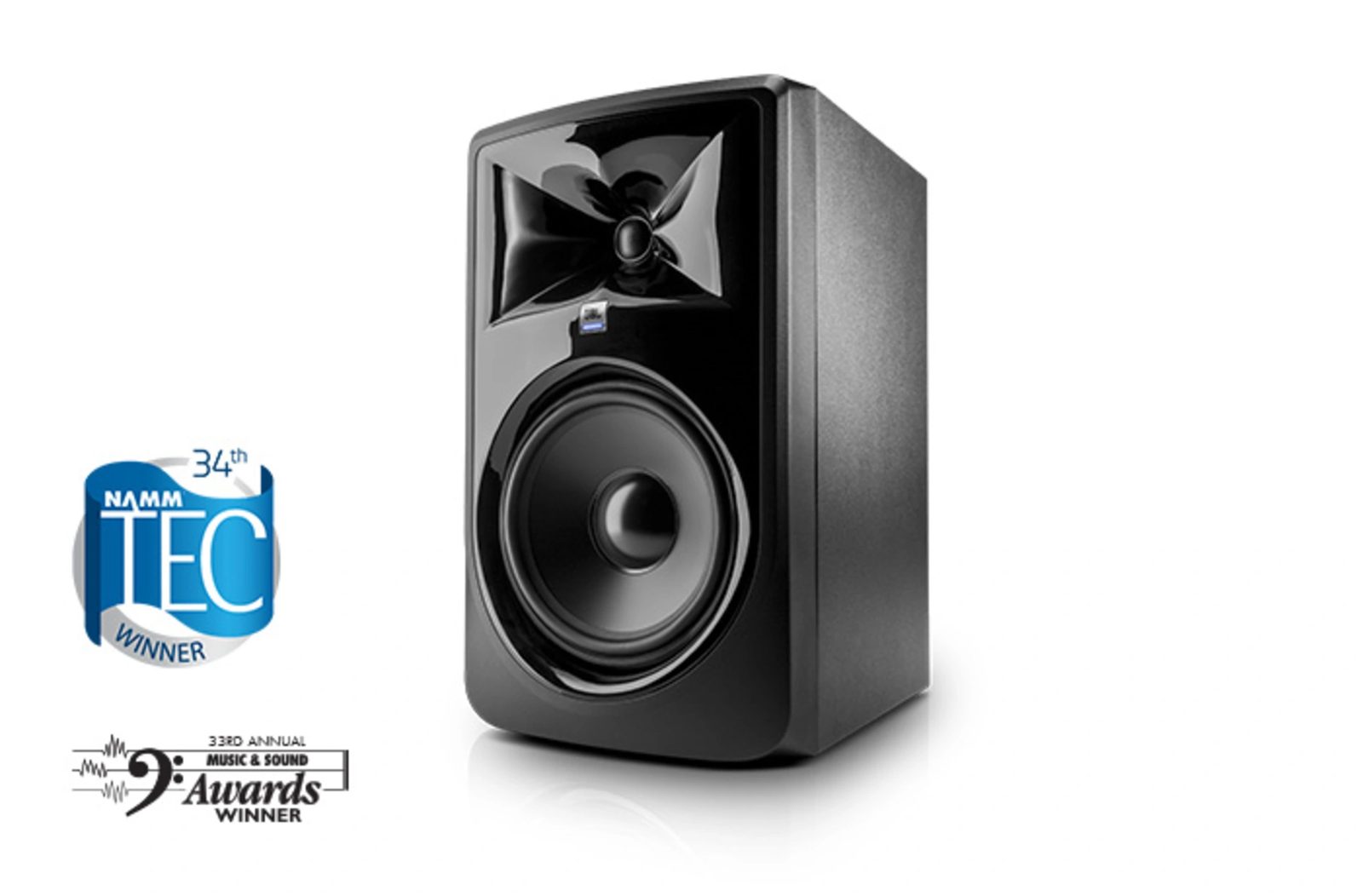
When you unbox the 308P MkIIs, the first thing you notice is the aesthetic. It’s a glossy, fingerprint-magnet front baffle that screams "budget" in a way that feels at odds with the "Professional" branding. But you aren't buying these for the finish; you're buying them for the Image Control Waveguide. This proprietary tech is the secret sauce that makes these monitors punch well above their weight class.
In practice, the 308P MkIIs create a massive, holographic soundstage that is genuinely shocking for a monitor in this price bracket. As DMS aptly put it, "It is flawed in the way all cheap speakers are, but less flawed than any other speaker at its price point." You get a wide horizontal sweet spot, meaning you can shift in your chair while editing without the stereo image collapsing entirely. It’s a forgiving experience that makes long sessions feel less fatiguing.
However, don't mistake "forgiving" for "surgical." If you are looking for the kind of mid-range transparency that lets you hear the exact texture of a vocal compressor or the subtle grit on a snare, you will find these monitors wanting. They are honest enough for a solid mix, but they lack the high-end resolution that separates a bedroom producer's setup from a professional mastering suite. They tell you the truth, but they don't give you the high-definition, 4K version of it.
Sound — what reviewers actually heard
| Metric | Value | Context |
|---|---|---|
| Woofer Size | 8-inch | Provides significant air movement |
| Claimed LF | 37 Hz | Manufacturer spec |
| Perceived LF | 50-60 Hz | Real-world room response |
| Sweet Spot | Wide | Excellent horizontal dispersion |
- The Bass Debate: While JBL claims a 37Hz extension, don't expect to feel the sub-bass rumble of a dedicated club system. Reviewers like Streaky have pointed out that the low end feels more like it rolls off around 50-60Hz. If you are producing bass-heavy electronic music, you will likely find yourself reaching for a subwoofer eventually.
- The Mid-Range: This is where the budget shows. The mids are functional and clear, but they lack the "bite" and separation found in more expensive, often 3-way, designs.
- Vertical Dispersion: The waveguide is brilliant horizontally, but the vertical off-axis response is unforgiving. You need to get these at ear level, or you’ll lose the high-end detail entirely.
Where it actually wins
The 308P MkII’s greatest strength is its value-to-performance ratio. There is simply no other monitor at this price point that provides such a coherent, wide, and stable stereo image. For a home studio producer, the ability to place instruments accurately in a mix without needing a perfectly treated room is a massive advantage.
The rear-panel controls are another win. JBL included stepped volume pots and boundary EQ trims that actually work. If you have to place these near a wall, the boundary EQ helps tame the inevitable low-end buildup without turning your mix into a muddy mess. It’s a practical, no-nonsense approach to studio integration that many "boutique" monitors ignore.
Where it falls short
The build quality is the most obvious compromise. The glossy plastic front panel feels cheap, and it’s a nightmare to keep clean. Beyond the aesthetics, the 308P MkII suffers from higher distortion levels than more modern, slightly pricier competitors like the Kali IN-8. When you push these hard, the clarity doesn't just stay flat; it starts to smear.
Furthermore, the vertical dispersion issue is a real headache for anyone with a non-standard desk setup. If you can't get these perfectly aligned with your ears, you are essentially throwing away the high-frequency detail you paid for. If you’re a professional who needs to make surgical EQ decisions, the lack of mid-range definition will eventually become a bottleneck in your workflow.
Should you buy it?
Buy if you
- Are a home studio producer on a strict budget who needs a reliable, wide stereo image.
- Value a forgiving sweet spot that allows for movement while working.
- Need a set of monitors that are easy to calibrate for a less-than-perfect room.
Skip if you
- Are a professional mixing or mastering engineer requiring surgical mid-range clarity.
- Have the budget for 3-way monitors like the Kali IN-8, which offer better distortion profiles.
- Care about the aesthetic "pro" look of your studio gear.
An unbeatable entry-level monitor with incredible imaging, but professionals may find its mid-range detail and plastic build lacking.
Sources consulted
- DMS — These CHEAP speakers replaced my collection!
- Guitar Center — JBL 3 Series MKII Studio Monitors Demo
- Streaky — LOOK GREAT BUT SOUND **** | JBL 308P MKII Studio Monitors
- REDtone Studio — Kali IN-8 v2 vs JBL 308p mkII - Studio Monitor Shoot-out
Synthesis combines independent reviews above. Verdicts and quotes attributed to original creators. Affiliate disclosure: we may earn a commission from qualifying purchases via Amazon links.
Products covered in this review
Frequently Asked Questions
Is the JBL 308P MkII worth buying?
The JBL 3 Series MkII offers class-leading soundstage and a massive sweet spot thanks to its signature waveguide, making it a stellar budget buy. However, the glossy plastic aesthetic is polarizing, and critical listeners will notice a lack of mid-range clarity and high-end detail compared to slightly pricier 3-way alternatives.
Who is the JBL 308P MkII best for?
Budget-conscious home studio producers, audiophiles wanting a cheap but accurate setup, and home theater enthusiasts needing a wide sweet spot.
Who should skip it?
Professional mixing and mastering engineers who need surgical mid-range detail, or those who hate glossy plastic aesthetics.