 HiFiRated
Genelec 8030C Review — An industrial-looking studio tool crosses over into desktop endgame territory by delivering uncompromising acoustic honesty
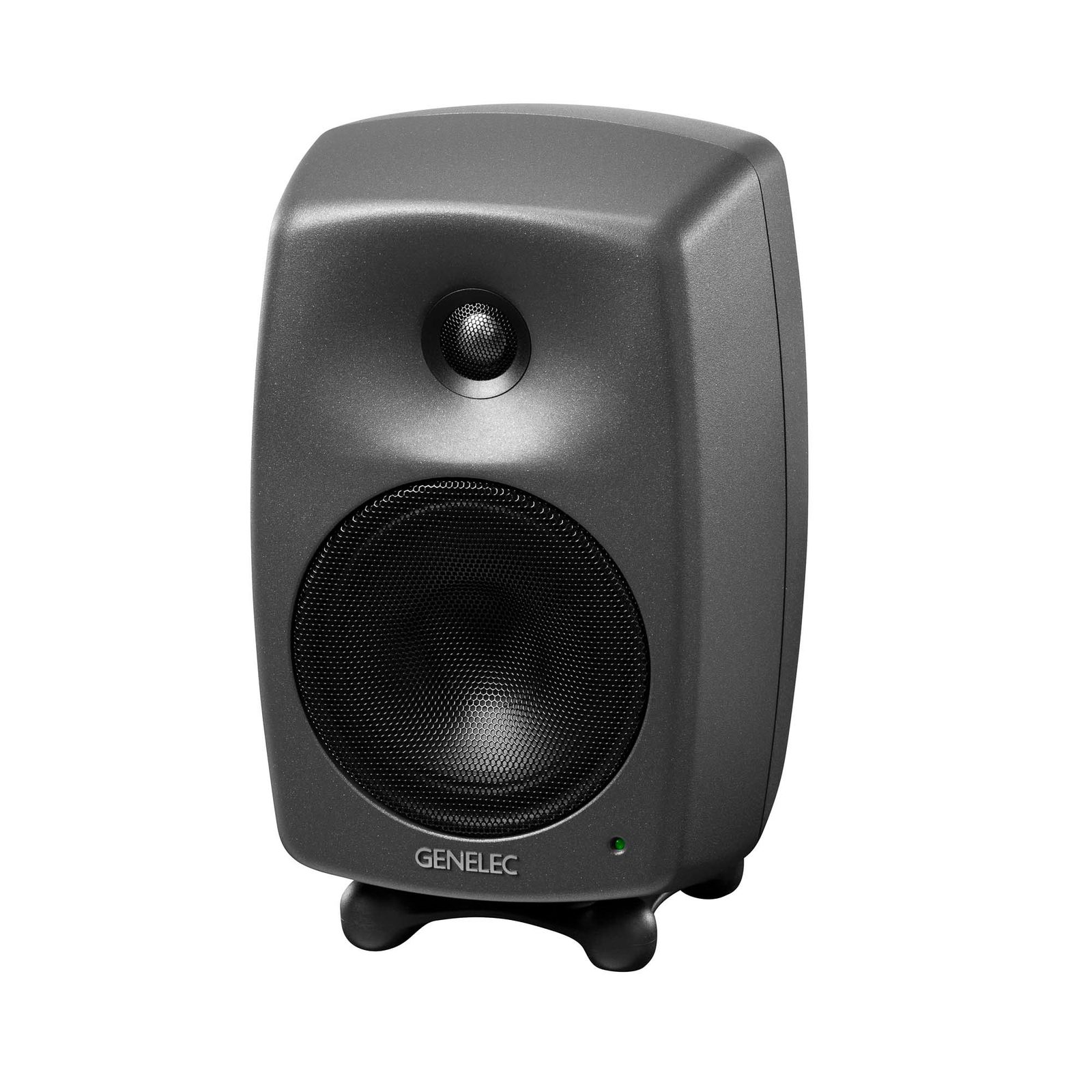
TL;DR
With their cast-aluminum enclosures and clever Iso-Pod stands, these monitors punch far above their weight class in detail and soundstage. While you might need a subwoofer for sub-50Hz bass, their brutally honest reproduction makes them an endgame choice for nearfield listening.
Verdict: Buy
What people are saying
Sources disclosed below
Reviewer Verdicts
Avg of 4 video reviews
Steve Guttenberg Audiophiliac, David Pham, Raytown Productions…
Reddit Discussion
Across 11 threads in r/audiophile, r/homerecording, r/audioengineering
Sentiment summary, not a rating
Pros
- +Incredible clarity and highly accurate, uncolored sound reproduction
- +Exceptional imaging and a massive sweet spot thanks to the built-in waveguide
- +Rugged, heavy cast-aluminum enclosure that minimizes resonance and saves desk space
- +Included Iso-Pod rubber feet provide excellent acoustic isolation and tilt adjustment
- +Rear dip switches allow for easy room boundary EQ adjustments
- +Vertical cable connections allow the speakers to be placed very close to a wall
Cons
- −Bass response rolls off below 50Hz, requiring a subwoofer for sub-bass heavy tracks
- −Brutally unforgiving of poor quality recordings and mixes
- −Limited connectivity with only a single XLR input on the 8030C
- −The front power LED light is extremely bright and distracting in a desktop setup
Jordan Kim
Published May 3, 2026
These cast-aluminum truth tellers are so brutally honest they might ruin your favorite bad recordings. If you’ve spent years listening to music through "hyped" consumer speakers, the Genelec 8030C will feel less like an upgrade and more like an intervention.
What you're actually getting
When you unbox a pair of 8030Cs, you aren't just buying speakers; you're buying a piece of industrial engineering designed to disappear. The cast-aluminum chassis isn't just for show—it’s incredibly dense and inert, which is why these monitors sound so clean even when you push them hard. Unlike wooden cabinets that can resonate and color the sound, the 8030C stays out of the way. As Steve Guttenberg Audiophiliac put it, "The Genelecs are truth tellers, they're telling you what is going down in the recording."
Living with these for a year, you realize that "accuracy" isn't just a marketing buzzword. It’s a workflow tool. Because the imaging is so precise, you can pinpoint exactly where a vocal sits in the mix or how much reverb was applied to a snare. They don't flatter your music. If a mix is muddy, the 8030C will make it sound muddy. If it’s pristine, they’ll make it sound like you’re sitting in the producer's chair.
The footprint is another massive win. Because they use a rear-ported design that’s been optimized for tight spaces, you can tuck these right up against a wall without the bass turning into a boomy, indistinct mess. The included Iso-Pod stands are a stroke of genius, allowing you to tilt the monitors toward your ears without needing to buy expensive third-party isolation pads. It’s a complete, professional-grade solution that fits on a standard desk.
Sound — what reviewers actually heard
| Metric | Value | Context |
|---|---|---|
| Drivers | 5" woofer / 0.75" tweeter | Compact but punchy |
| Amplification | 100W total per speaker | Deceptively loud |
| Low End | Rolls off below 50Hz | Needs a sub for sub-bass |
| Build | 4mm cast aluminum | Zero cabinet resonance |
- The Imaging: The waveguide around the tweeter creates a massive sweet spot. You don't have to keep your head in a vice to hear the stereo image.
- The Clarity: High frequencies are detailed without being fatiguing. They aren't "bright" in the way cheap speakers are; they are just transparent.
- The Dynamics: As David Pham noted, "They're just deceptively loud for how big they are." They handle transients with a speed that makes most bookshelf speakers sound sluggish.
Where it actually wins
The 8030C wins on consistency. Whether you’re mixing at 2:00 AM at low volumes or cranking them to check a final master, the frequency response remains remarkably stable. The rear dip switches are a lifesaver for anyone working in a bedroom or a less-than-perfect home studio. If your desk is causing a bass buildup, a quick toggle on the back cleans it right up.
The build quality is also unmatched in this price bracket. You could drop these, move them between studios, or leave them on for a decade, and they’ll likely perform exactly as they did on day one. They are built like tanks, and that reliability is worth every penny if you’re tired of replacing consumer-grade gear every few years.
Where it falls short
Let’s be real: the 8030C isn't perfect. The most glaring issue is the connectivity. You get one XLR input. That’s it. If you want to switch between your audio interface, a turntable, and a streamer, you’re going to need a dedicated monitor controller or a preamp. It’s a studio monitor, not a lifestyle speaker, and it shows.
Then there’s the "truth teller" tax. If you enjoy listening to lo-fi, poorly mastered, or compressed music, these speakers will highlight every flaw. You’ll hear the hiss, the bad edits, and the clipping. It can be exhausting if you just want to relax. Also, the front-facing power LED is blindingly bright. If you’re working in a dim room, you’ll be reaching for a piece of electrical tape within ten minutes of turning them on. Finally, while the bass is tight and articulate, it stops at 50Hz. If you’re producing hip-hop or EDM, you are going to need a subwoofer to hear what’s happening in the sub-bass register.
Should you buy it?
Buy if you:
- Need a surgical tool for mixing, editing, or critical listening.
- Have limited desk space and need a compact, high-performance monitor.
- Value build quality and longevity over flashy features.
- Want a wide sweet spot that doesn't require perfect head positioning.
Skip if you:
- Want a "fun," colored sound signature that makes everything sound good.
- Need multiple inputs for various devices without adding an external controller.
- Are a basshead who doesn't want to invest in a separate subwoofer.
- Are on a strict budget and don't need professional-grade accuracy.
The Genelec 8030C is a rugged, compact truth-teller that delivers world-class imaging and clarity for both pros and audiophiles.
Sources consulted
- Steve Guttenberg Audiophiliac — GENELEC G Three -- Active done right!
- David Pham — Genelec 8030C - Review for Desktop Speakers
- Raytown Productions — Are Expensive Home Studio Monitors Worth It? | Genelec 8030c vs Dynaudio BM5a
- Doug Johnson Productions — Genelec 8030C Studio Monitors - Unboxing, First Listen, Thoughts; Why you need high quality monitors
Synthesis combines independent reviews above. Verdicts and quotes attributed to original creators. Affiliate disclosure: we may earn a commission from qualifying purchases via Amazon links.
Products covered in this review
Frequently Asked Questions
Is the Genelec 8030C worth buying?
With their cast-aluminum enclosures and clever Iso-Pod stands, these monitors punch far above their weight class in detail and soundstage. While you might need a subwoofer for sub-50Hz bass, their brutally honest reproduction makes them an endgame choice for nearfield listening.
Who is the Genelec 8030C best for?
Audio professionals, video editors, and critical desktop listeners who want uncolored, highly accurate sound in a compact footprint.
Who should skip it?
Casual listeners who prefer a colored, forgiving sound, or bassheads who don't want to purchase a separate subwoofer.