 HiFiRated
Bose QuietComfort Ultra 2nd Gen Review — The undisputed king of comfort adds highly requested features like USB-C lossless audio, but stumbles on basic physical controls and app functionality
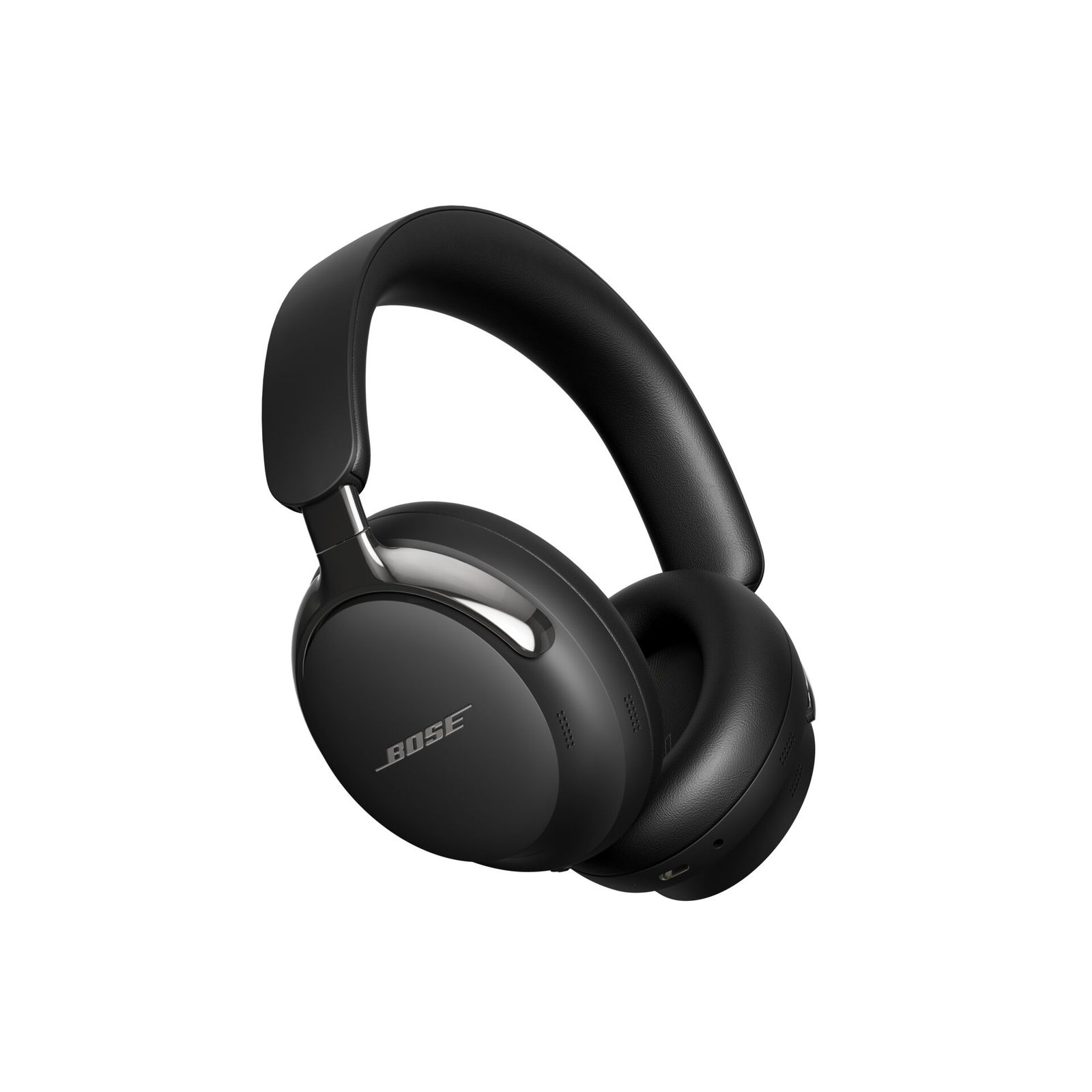
TL;DR
If you prioritize all-day wearability and top-tier ANC for travel, these are nearly unbeatable, especially with the new USB-C lossless support. However, the aggressive default V-shaped EQ requires app tweaking, and the touch-strip volume controls are prone to accidental, ear-blas
Verdict: Depends on Use Case
What people are saying
Sources disclosed below
Reviewer Verdicts
Avg of 4 video reviews
SoundGuys, The Headphone Show, Mike O'Brien…
Reddit Discussion
Across 75 threads in r/audiophile, r/headphones, r/HeadphoneAdvice
Sentiment summary, not a rating
Pros
- +Class-leading comfort with a lightweight build, wide headband, and plush ear cups
- +Excellent adaptive Active Noise Cancellation that effectively targets acute noises
- +Addition of USB-C lossless audio playback acting as a built-in DAC
- +Exceptional mid-range and sub-bass sound quality once properly EQ'd
Cons
- −Capacitive volume touch strip is finicky, lacks tactile feedback, and is prone to accidental swipes
- −Shiny metallic yoke design is a major fingerprint and dust magnet
- −Bose app lacks advanced features and only offers an outdated 3-band EQ
- −Overloaded multi-function button makes switching between ANC modes tedious
Jordan Kim
Published May 2, 2026
Bose's newest flagship headphones hide a secret audiophile weapon, but their default sound is essentially a store demo mode. You’re paying a premium for the most comfortable chassis in the industry, but you’ll need to put in some legwork to make them sound like a $450 piece of gear.
What you're actually getting
The Bose QuietComfort Ultra 2nd Gen is a masterclass in ergonomics that somehow forgets the basics of physical interaction. If you’ve worn Bose headphones before, you know the drill: they disappear on your head. The clamping force is perfectly calibrated, the ear cups are plush, and the weight distribution is so balanced you’ll forget you’re wearing them after an hour. It’s the kind of build quality that makes other manufacturers look like they’re designing for robots rather than humans.
However, the user experience is a mixed bag. Bose decided to swap physical buttons for a capacitive touch strip for volume, and it’s a nightmare. As SoundGuys bluntly put it, "I accidentally swipe up and then jack the volume up and blow my eardrums out." It lacks the tactile satisfaction of a physical rocker, and the lack of precision means you’re constantly fighting the hardware just to adjust your levels.
Under the hood, the inclusion of USB-C lossless audio is a massive win. It essentially turns these into a wired DAC-equipped headset, bypassing the limitations of Bluetooth compression. It’s a feature that elevates the QC Ultra from a standard consumer travel headphone to something a bit more serious. But don't expect a plug-and-play miracle; the app is frustratingly sparse, offering only a basic 3-band EQ that feels like a relic from a decade ago.
Sound — what reviewers actually heard
Out of the box, these headphones are tuned to impress a casual listener in a noisy retail environment. The Headphone Show hit the nail on the head when they noted, "You can think of the default sound signature here as essentially the store demo mode." It’s a heavy, V-shaped profile that pushes the sub-bass and highs to the front while leaving the mids feeling a bit hollow.
| Metric | Value | Context |
|---|---|---|
| Price | $450 | Premium tier |
| Battery Life | 27h 12m | With ANC enabled |
| Bluetooth | 5.4 | aptX Adaptive/Lossless |
Once you dive into the app and pull back the bass and boost the mids, the drivers actually show their teeth. The sub-bass is tight and controlled, and the soundstage—while not open-back wide—is surprisingly spacious for a closed-back ANC headphone. If you’re willing to spend ten minutes in the EQ settings, you can get a balanced, engaging sound that rivals much more expensive gear.
Where it actually wins
The Active Noise Cancellation remains the gold standard. Bose has a way of silencing the world that feels almost like a physical pressure change, effectively scrubbing out the low-frequency drone of airplane engines and the erratic chatter of a coffee shop. If your primary goal is to create a silent bubble for work or travel, nothing else on the market touches this.
The addition of USB-C lossless support is the other major victory. By allowing a digital connection, Bose has opened the door for high-fidelity playback that doesn't rely on the instability of Bluetooth. When you plug these into a laptop or a phone that supports it, the clarity improves noticeably. It’s a forward-thinking move that gives these headphones a much longer shelf life than their predecessors.
Where it falls short
The design choices are baffling. The shiny metallic yoke might look like a "status differentiator" to some, but in practice, it’s a magnet for fingerprints and dust that makes the headphones look greasy after a single commute. It’s a vanity choice that compromises the utility of a travel-focused product.
Then there’s the software. For a $450 device, the companion app is inexcusably basic. A 3-band EQ is not enough for a product that requires tuning to sound its best. You’re essentially forced to use a blunt instrument to fix a nuanced sound profile. Furthermore, the multi-function button is overloaded with too many tasks, making it a chore to cycle through ANC modes or trigger your voice assistant without accidentally pausing your music or skipping a track.
Should you buy it?
Buy if you:
- Are a frequent flyer or remote worker who values silence above all else.
- Want the most comfortable, lightweight headphones on the market for 8+ hour sessions.
- Have a source device that can take advantage of the USB-C lossless audio playback.
Skip if you:
- Hate capacitive touch controls and prefer physical buttons.
- Want a "set it and forget it" sound profile that doesn't require EQ tweaking.
- Need a robust, feature-rich app to customize your listening experience.
The Bose QC Ultra 2nd Gen remains the undisputed king of comfort, but finicky touch controls and a polarizing default sound signature make them a nuanced choice at $450.
Sources consulted
- SoundGuys — Bose QuietComfort Ultra (2nd Gen) vs Sony WH-1000XM6: Back for another title fight
- The Headphone Show — Bose QC Ultra Gen 2 vs Sennheiser HDB 630 — I was not expecting this
- Mike O'Brien — GEN 2 Bose QuietComfort Ultra Earbuds - What Changed?
- Joshua Chang — Bose QC Ultra 2 Review: Worth It?
Synthesis combines independent reviews above. Verdicts and quotes attributed to original creators. Affiliate disclosure: we may earn a commission from qualifying purchases via Amazon links.
Products covered in this review
Frequently Asked Questions
Is the Bose QuietComfort Ultra 2nd Gen worth buying?
If you prioritize all-day wearability and top-tier ANC for travel, these are nearly unbeatable, especially with the new USB-C lossless support. However, the aggressive default V-shaped EQ requires app tweaking, and the touch-strip volume controls are prone to accidental, ear-blasting swipes.
Who is the Bose QuietComfort Ultra 2nd Gen best for?
Frequent flyers and remote workers who prioritize supreme comfort and strong ANC over out-of-the-box audiophile neutrality.
Who should skip it?
Tinkerers who want deep EQ customization like Sony offers, or users who despise capacitive touch controls.