 HiFiRated
Beyerdynamic DT 1990 Pro Review — A former undisputed champion of the sub-$1000 market struggles to maintain its crown against modern competitors, prompting a necessary Mk2 evolution
TL;DR
The DT 1990 Pro remains a powerhouse for competitive gaming and analytical studio work thanks to its pinpoint imaging and relentless detail. However, the infamous treble spike on the original model can be highly fatiguing, meaning modern listeners should carefully consider their
Verdict: Depends on Use Case
What people are saying
Sources disclosed below
Reviewer Verdicts
Avg of 4 video reviews
Joshua Valour, BadSeed Tech, Joshua Valour…
Reddit Discussion
Across 75 threads in r/audiophile, r/headphones, r/HeadphoneAdvice
Sentiment summary, not a rating
Pros
- +Exceptional, tank-like all-metal build quality
- +Outstanding accessory package including a hard case, two sets of pads, and two cables
- +Incredible detail retrieval and analytical clarity
- +Punchy, impactful bass response that hits harder than frequency graphs suggest
- +Pinpoint imaging and wide soundstage, making them top-tier for competitive gaming
Cons
- −Aggressive 8kHz treble spike on the original model can cause severe listening fatigue and sibilance
- −Single-sided mini-XLR cable connection instead of the preferred dual-sided standard
- −Original 250-ohm version requires a dedicated headphone amplifier to sound its best
- −Heavy at 370 grams, which may affect long-term comfort for some users
Jordan Kim
Published May 2, 2026
Beyerdynamic’s legendary studio headphone is built like a tank, but its relentless treble might pierce your ears. It’s the kind of piece of gear that commands respect the moment you pick it up, yet it’s also the one you’ll find yourself reaching for with a bit of hesitation after a long day of mixing.
What you're actually getting
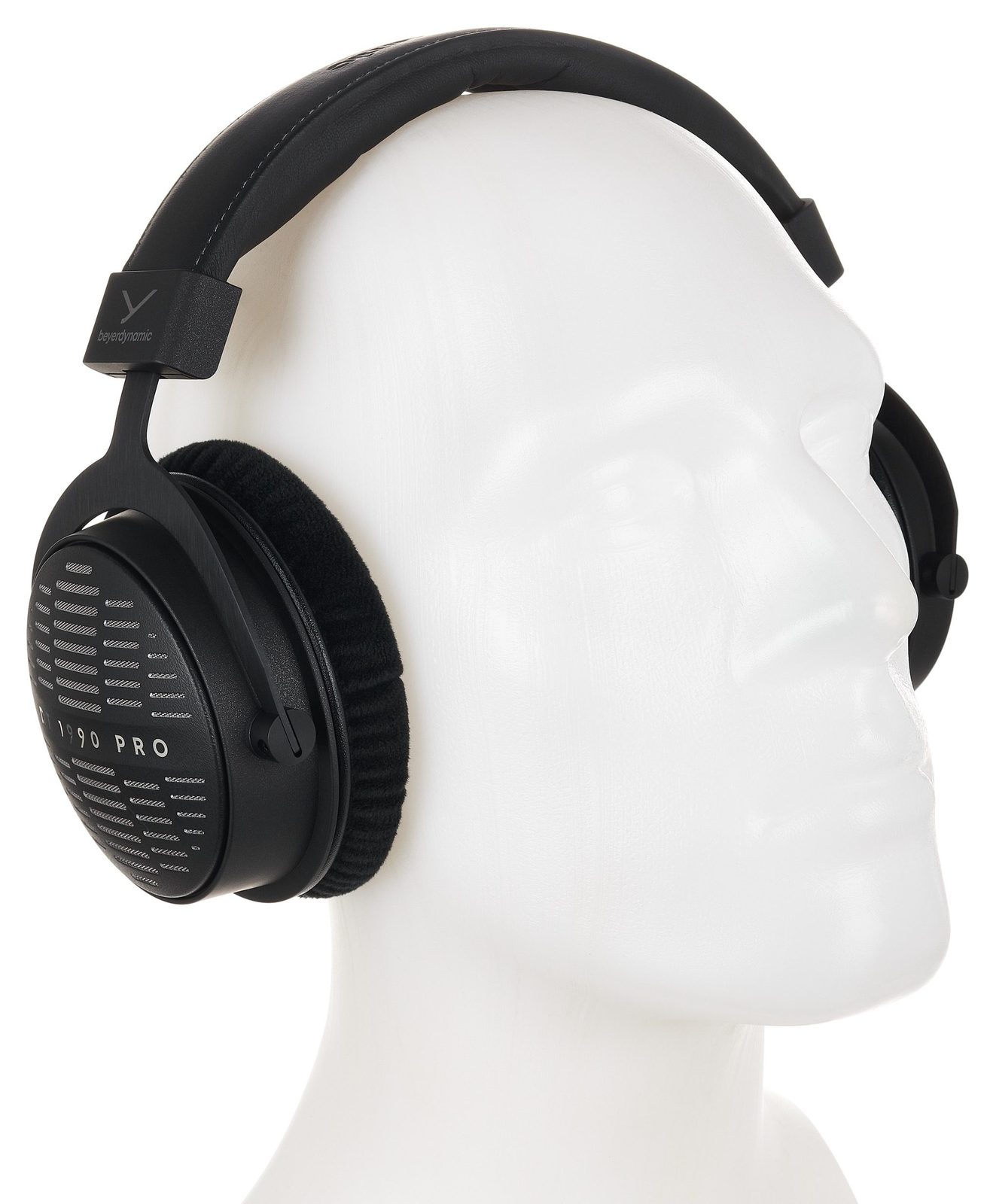
The DT 1990 Pro is a relic of an era where "studio grade" meant indestructible. As BadSeed Tech aptly put it, "They feel weighty and premium and like you could break a padlock with them." You aren't buying these for a lightweight, "disappear on your head" experience; you’re buying them because you want a tool that will survive a decade of abuse in a professional environment. The accessory package is similarly robust, providing two sets of pads that actually change the sound profile and a hard case that puts most modern manufacturers to shame.
However, the experience of living with these for a year is a tale of two extremes. On one hand, the detail retrieval is surgical. If there’s a stray click in your vocal track or a poorly compressed tail on a snare hit, these headphones will drag it into the light. On the other hand, they are notoriously unforgiving. Joshua Valour hit the nail on the head when he noted, "It's one of those headphones that just has no chill... it's just right in your face."
If you’re coming from a warmer, more relaxed headphone, the DT 1990 Pro feels like being forced to look at a high-resolution photo under a harsh fluorescent light. It’s impressive, but it’s not always comfortable. While the build quality remains a gold standard, the sonic signature—specifically that infamous 8kHz spike—has become a point of contention as the market has shifted toward more balanced, consumer-friendly tunings.
Sound — what reviewers actually heard
| Metric | Value | Context |
|---|---|---|
| Impedance | 250 ohms | Needs a dedicated amp to shine |
| Sensitivity | 102 dB | Requires decent voltage swing |
| Driver | 45mm Tesla | High-speed, high-impact transients |
| Weight | 370g | Noticeable during long sessions |
- The Treble: It’s sharp. It’s analytical. It’s the definition of "bright." If you’re sensitive to sibilance, this will be a dealbreaker.
- The Bass: Surprisingly punchy. It’s not a bass-head headphone, but the sub-bass extension is tight and controlled, lacking the "mud" found in cheaper open-backs.
- The Imaging: This is the DT 1990 Pro’s superpower. It’s pinpoint accurate, making it arguably one of the best headphones on the planet for competitive gaming where spatial awareness is everything.
Where it actually wins
The DT 1990 Pro wins in the studio and on the battlefield. If you are an audio engineer, you need a pair of headphones that don't lie to you. These don't. They provide a "magnifying glass" effect that makes them indispensable for EQ work and spotting technical errors. The imaging is so precise that you can track the exact position of a sound source in a virtual space, which is why these have become a cult favorite among competitive gamers who need to hear footsteps before they see an enemy.
The modularity is also a massive win. By swapping between the "balanced" and "analytical" pads, you can subtly shift the frequency response to better suit your current task. It’s a level of versatility that justifies the price tag for those who actually use the headphones as a tool rather than just a way to listen to Spotify.
Where it falls short
The biggest hurdle is the listening fatigue. You simply cannot use these for an eight-hour session without your ears feeling the strain of that aggressive treble. It’s a "high-intensity" sound that demands your attention, which is great for a 30-minute mix check, but exhausting for casual listening.
Furthermore, the 250-ohm impedance on the original model is a barrier to entry. If you plug these into a standard laptop jack or a weak interface, they sound thin, metallic, and lifeless. You are effectively forced to buy a dedicated headphone amplifier to get the performance you paid for. When you add the weight—370 grams is not light—and the fact that the cable connection is single-sided rather than the dual-entry standard preferred by many pros, it’s clear that this design is starting to show its age.
Should you buy it?
Buy if you
- Are a professional mixer or editor who needs to hear every flaw in a recording.
- Play competitive shooters and need the best imaging in the business.
- Already own a high-quality headphone amplifier to drive the 250-ohm load.
- Value industrial-grade build quality above all else.
Skip if you
- Are sensitive to treble or prone to listening fatigue.
- Want a "fun," warm, or relaxed sound signature for long-term music enjoyment.
- Don't want to invest in a dedicated amplifier.
- Find heavy headphones uncomfortable for sessions longer than two hours.
A legendary, tank-like studio monitor that delivers hyper-detailed imaging, but its aggressive treble makes it a polarizing choice for casual listening.
Sources consulted
- Joshua Valour — Beyerdynamic DT 1990 Pro Review
- BadSeed Tech — Beyerdynamic DT 1990 Pro Review: Big, Built, but TOO Bright??
- Joshua Valour — Beyerdynamic DT 1990 Pro 2! | NEW & IMPROVED!
- Joshua Valour — Is DT1990 Pro worth it in 2024?
Synthesis combines independent reviews above. Verdicts and quotes attributed to original creators. Affiliate disclosure: we may earn a commission from qualifying purchases via Amazon links.
Products covered in this review
Frequently Asked Questions
Is the Beyerdynamic DT 1990 Pro worth buying?
The DT 1990 Pro remains a powerhouse for competitive gaming and analytical studio work thanks to its pinpoint imaging and relentless detail. However, the infamous treble spike on the original model can be highly fatiguing, meaning modern listeners should carefully consider their treble tolerance or look toward the updated Mk2 version.
Who is the Beyerdynamic DT 1990 Pro best for?
Audio professionals needing analytical mix details, competitive gamers wanting pinpoint imaging, and detail-junkies who aren't treble-sensitive.
Who should skip it?
Treble-sensitive listeners, casual audiophiles looking for a relaxed listening experience, and those without a dedicated headphone amplifier.