 HiFiRated
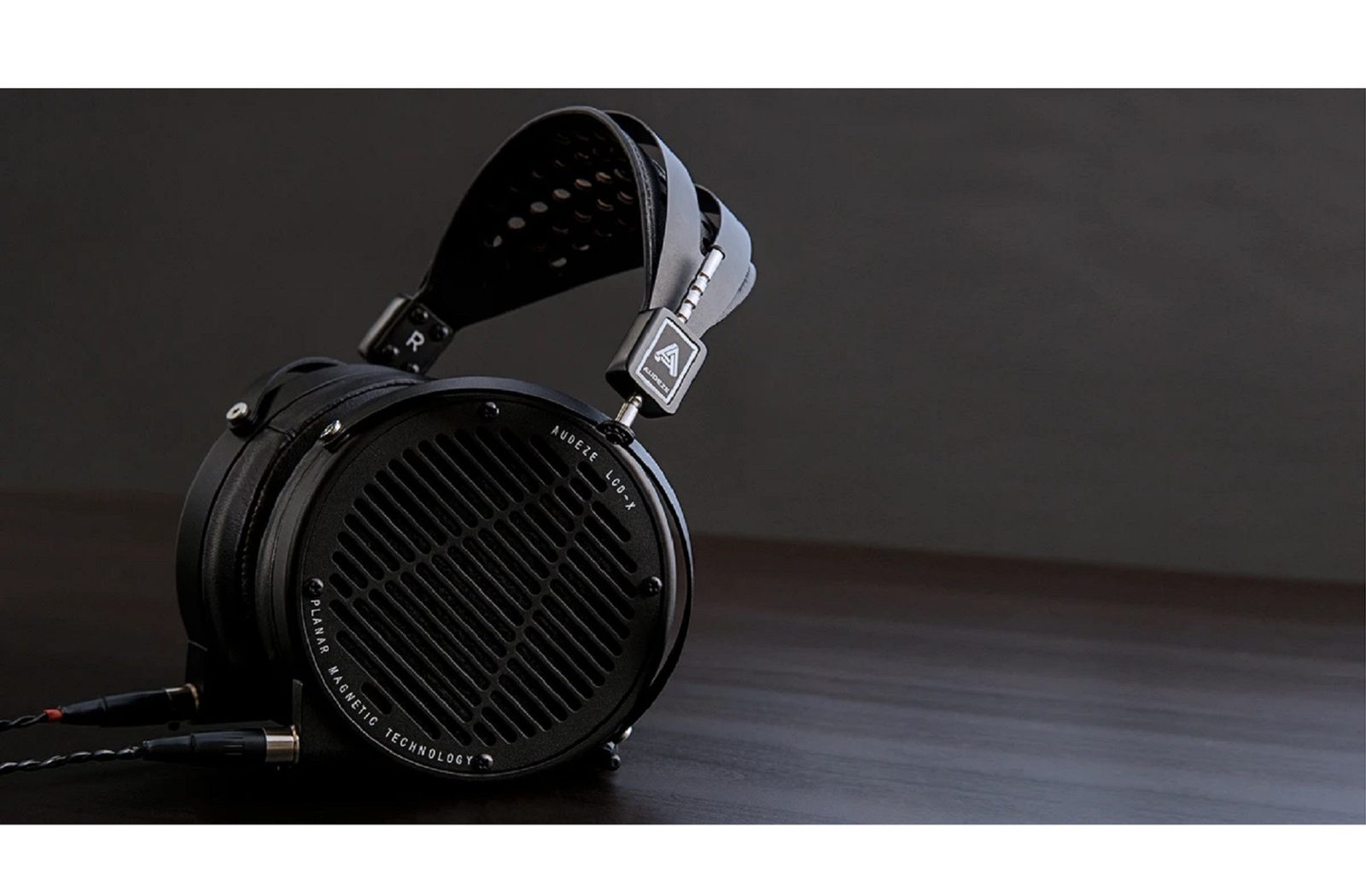
Audeze LCD-X (2021 Creator Edition) Review — A flawed classic gets a hardware-level redemption arc, transforming from an EQ-dependent studio tool into an out-of-the-box audiophile favorite
TL;DR
Audeze successfully integrated their old EQ fixes directly into the hardware, resulting in a much more natural and balanced sound out of the box. While the 612-gram weight is undeniably heavy, the sturdy metal build, top-tier bass extension, and high efficiency make it a standout
Verdict: Buy
What people are saying
Sources disclosed below
Reviewer Verdicts
Avg of 4 video reviews
Joshua Valour, The Headphone Show, The Headphone Show…
Reddit Discussion
Across 63 threads in r/audiophile, r/headphones, r/HeadphoneAdvice
Sentiment summary, not a rating
Pros
- +Vastly improved out-of-the-box tuning compared to pre-2021 models, fixing previous mid-range and treble peaks
- +Incredibly easy to drive (20 ohms, 103 dB/mW) directly from laptops, phones, or budget amplifiers
- +Exceptional bass extension down to 20Hz with tight, precise planar impact
- +Premium, rugged all-metal build quality that feels incredibly durable
- +Excellent detail retrieval and resolution across the frequency spectrum
- +The $1200 Creator Edition is considered a great value within the Audeze lineup
Cons
- −Extremely heavy and bulky at 612 grams, which can cause fatigue over time
- −Upper mid-range still has a slight recession or quirk around 3-4kHz
- −Lacks a sub-bass shelf out of the box, requiring EQ if you want elevated low-end rumble
- −The $1700 Standard package is a poor value compared to the $1200 Creator package
Jordan Kim
Published May 2, 2026
Audeze fixed their most infamous tuning flaws, creating a 612-gram detail monster that runs off a laptop. For years, the LCD-X was a "fix it in post" headphone—a brilliant piece of engineering that required a heavy dose of EQ to sound like anything other than a mid-range-recessed mess. The 2021 revision finally puts that narrative to bed.
What you're actually getting
The 2021 LCD-X is a masterclass in hardware-level refinement. By baking the popular "Reveal+" EQ profile directly into the driver tuning, Audeze has transformed a niche studio tool into a genuinely musical experience. As The Headphone Show noted, "Gone was the shroud that veiled the mids, presenting a more vivid and realistic tonal balance." You aren't just buying a pair of headphones; you're buying a reference-grade transducer that finally sounds like it costs four figures right out of the box.
The build quality is exactly what you expect from Audeze: a tank-like construction of aluminum and leather that feels like it could survive a drop from a mixing console. It’s heavy—there is no getting around that 612-gram weight—but the weight distribution is surprisingly competent. You’ll feel it on your neck after two hours, but the clamping force is dialed in well enough to keep the cups from sliding around during long sessions.
Value-wise, the Creator Edition is the only one that makes sense. By stripping away the unnecessary travel case and premium cables of the $1,700 Standard package, Audeze brought the entry price down to $1,200. As Joshua Valour put it, "For 1,200 bucks this thing is absolutely a beast." You get the exact same drivers and the same sound signature for significantly less cash, making it one of the few "pro" pieces of gear that doesn't feel like a total ripoff.
Sound — what reviewers actually heard
The performance of the 2021 revision is defined by its efficiency and its low-end authority. Unlike previous planar magnetics that demanded a dedicated power plant, these are remarkably easy to drive.
| Metric | Value | Context |
|---|---|---|
| Impedance | 20 ohms | Extremely efficient |
| Sensitivity | 103 dB/mW | Runs off a laptop/phone |
| Driver Size | 106mm | Massive planar surface |
| Weight | 612 grams | Noticeable neck fatigue |
- Bass: It’s linear, tight, and hits with the kind of physical impact that dynamic drivers struggle to replicate. It doesn't have a massive sub-bass shelf by default, but it responds to EQ like a dream if you want that extra rumble.
- Mids: The "veiled" quality of the old model is gone. Vocals are forward, clear, and possess a natural timbre that makes them excellent for critical monitoring.
- Treble: It’s detailed without being sibilant. You get all the micro-detail you need for mixing, but it won't bite your ears off during a long listening session.
Where it actually wins
The biggest win here is the efficiency. Most planar magnetic headphones are power-hungry beasts that force you to invest in a $500+ amplifier just to get them to wake up. The LCD-X (2021) laughs at that requirement. You can plug these into a MacBook Pro or a decent dongle DAC and get 95% of their potential. For a studio engineer who needs to move between rooms or a listener who wants high-end sound at their desk without a stack of gear, this is a massive advantage.
The resolution is the other standout. Because of that massive 106mm driver, the transient response is lightning-fast. If you’re editing drums or looking for flaws in a vocal take, the LCD-X will show you exactly what’s happening in the waveform. It’s a surgical tool that happens to be fun to listen to, which is a rare balance to strike in the pro audio world.
Where it falls short
The elephant in the room is the weight. At 612 grams, these are not "forget you're wearing them" headphones. If you have a sensitive neck or you’re prone to tension headaches, you will struggle with these after a few hours. It’s a heavy, industrial piece of kit, and it feels like it.
There’s also the ongoing debate about soundstage. If you’re coming from an open-back Sennheiser HD 800S, you’re going to find the LCD-X intimate. While WaveTheory argues the soundstage is quite large, others like Joshua Valour find it narrow and focused. In my experience, it’s not a "wide" headphone; it’s a "precise" one. It places instruments exactly where they need to be, but it doesn't give you the expansive, holographic feeling of some competitors. If you want to feel like you're sitting in the middle of a concert hall, look elsewhere.
Should you buy it?
Buy if you
- Need a reliable, high-resolution reference for mixing or critical listening.
- Want top-tier planar magnetic performance without buying a dedicated desktop amplifier.
- Value build quality and durability over lightweight comfort.
Skip if you
- Have a sensitive neck or plan on wearing headphones for 8+ hours a day.
- Prioritize a massive, airy, "out of head" soundstage above all else.
- Prefer a warm, bass-heavy sound signature without using EQ.
The 2021 revision fixes the glaring tuning flaws of the original, making it a detail-retrieval powerhouse that is incredibly easy to drive.
Sources consulted
- Joshua Valour — YES! The LCD-X is Still Insane! 800s, Arya and 2C Comparison.
- The Headphone Show — Audeze MM-500 vs LCD-X - BIG differences
- The Headphone Show — Audeze LCD-X 2021 Review - Taken to the next level
- Reviews By WaveTheory — Audeze LCD-X 2021 Edition Headphone Review
Synthesis combines independent reviews above. Verdicts and quotes attributed to original creators. Affiliate disclosure: we may earn a commission from qualifying purchases via Amazon links.
Products covered in this review
Frequently Asked Questions
Is the Audeze LCD-X (2021 Creator Edition) worth buying?
Audeze successfully integrated their old EQ fixes directly into the hardware, resulting in a much more natural and balanced sound out of the box. While the 612-gram weight is undeniably heavy, the sturdy metal build, top-tier bass extension, and high efficiency make it a standout value in the $1200 price bracket.
Who is the Audeze LCD-X (2021 Creator Edition) best for?
Detail-oriented audiophiles and studio professionals who want high-end planar performance without needing an expensive, powerful amplifier.
Who should skip it?
Anyone sensitive to heavy headphones or listeners who prioritize a massive, airy soundstage.